


In the Face of Fury: Holding Disruptive and Connective Intensities through Poetic Resonance
In this essay, I trace the force of fury that emerged within a single ethnographic moment and later saturated the analysis.
In this essay, I trace the force of fury that emerged within a single ethnographic moment and later saturated the analysis.

This essay explores how the poetic resonance protocol enabled a deeper, embodied engagement with my ethnographic object: a poetry workshop conducted with wildfire-affected residents in northern Germany.
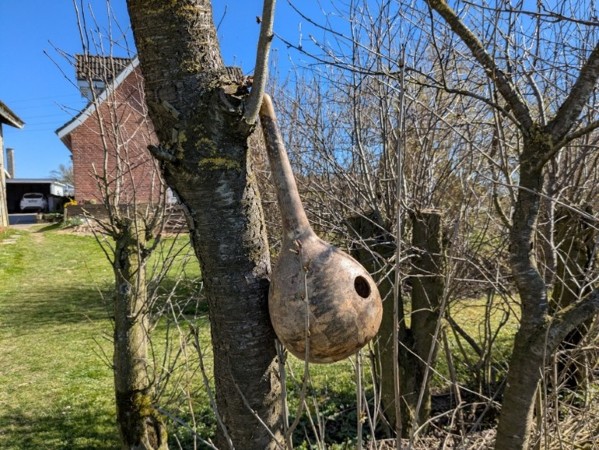
During a multispecies ethnographic fieldwork in a Danish private garden, I encountered a weird-looking gourd (Calabash) that was turned into a birdhouse.
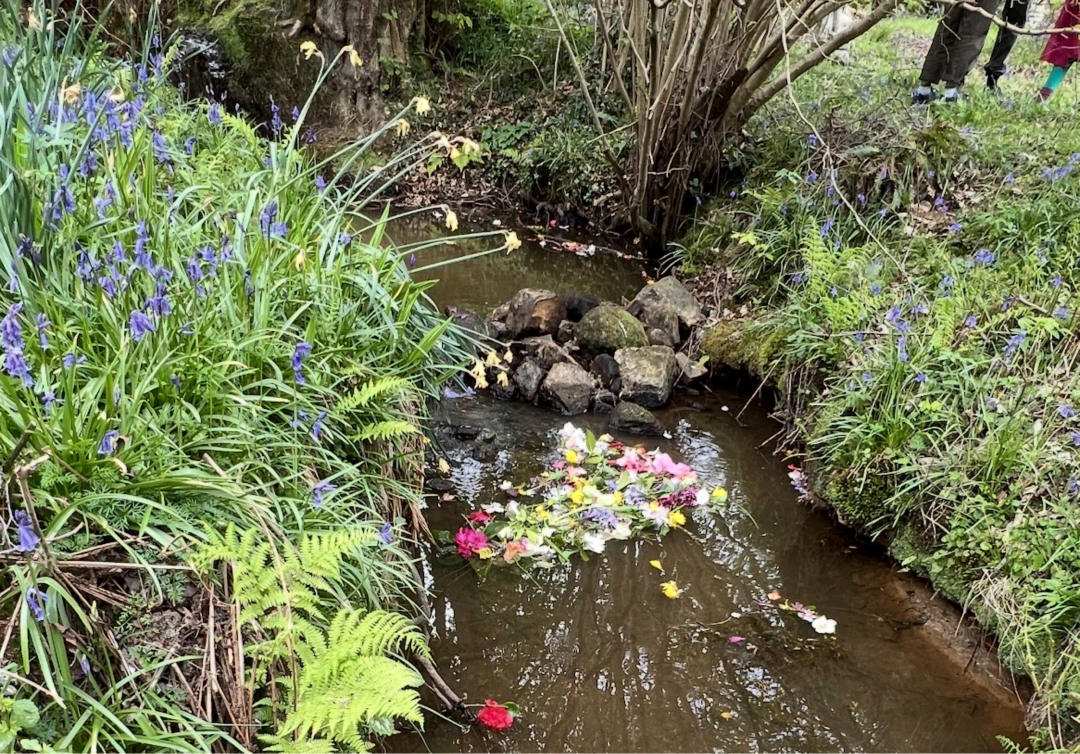
This experimental essay treats uncertainty as bodily and relational and uses rhythm as a way of noticing it. It begins in the writing vibrations of the Poetic Resonance Protocol and carries their structure through the composition of the piece.

This afterword reflects on the practice of ethnography through the metaphor of the anthropologist as a tuning fork—an embodied instrument attuned to the subtle or violent vibrations of lived experience whilst working through ethnographic materials.
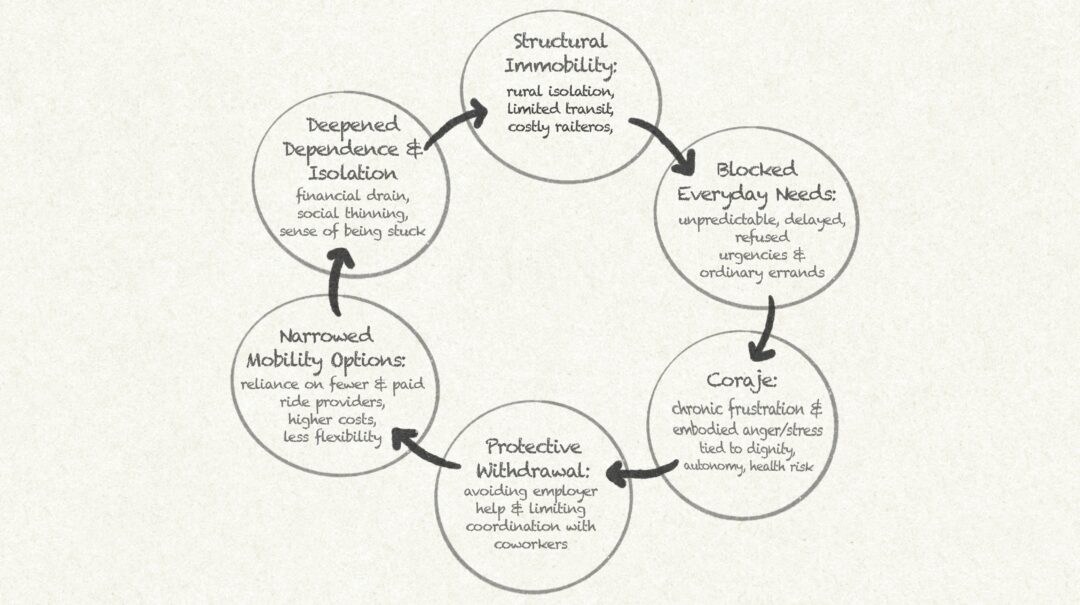
During Tania’s summer 2025 internship at the Open Door Clinic in Addison County, Vermont, she translated for a migrant farmworker,
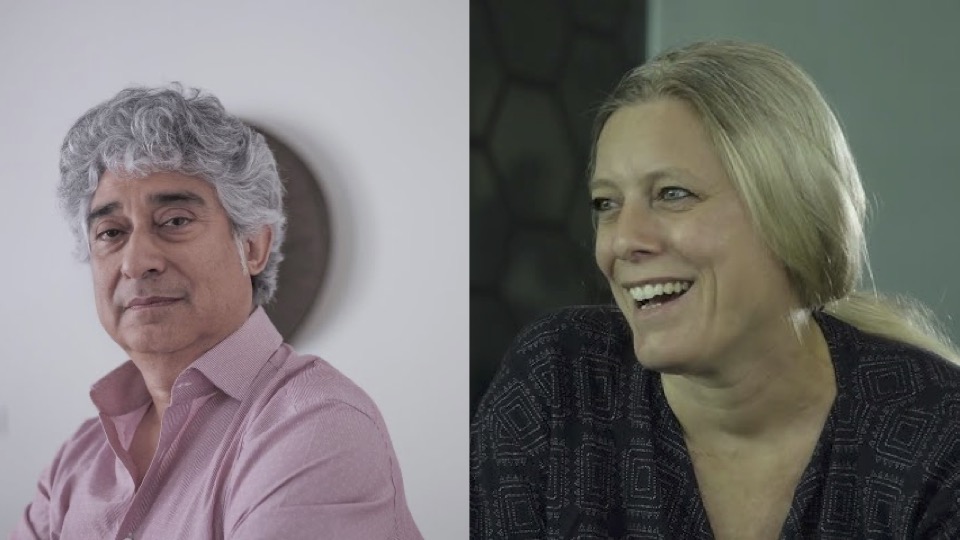
What is critique, and what might it still accomplish? This question serves as the point of departure for a series of

What is critique, and what might it still accomplish? This question serves as the point of departure for a series of

What is critique, and what might it still accomplish? This question serves as the point of departure for a series of

What is critique, and what might it still accomplish? This question serves as the point of departure for a series of