


Dis/ability to do Fieldwork
In this article, Rine Vieth critiques the “Malinowskian” ideal of fieldwork, which prizes able-bodied endurance and long-term isolation as markers of professional authority.
In this article, Rine Vieth critiques the “Malinowskian” ideal of fieldwork, which prizes able-bodied endurance and long-term isolation as markers of professional authority.
Jennifer Cearns examines the persistent influence of the “Malinowskian” model of fieldwork on early-career anthropologists, arguing that traditional expectations of isolation and immersion create unnecessary guilt and anxiety in contemporary settings.
Based on eighteen months of participant observation in US gaming and live-action role-play communities, the piece examines how women ethnographers navigate access, safety, and credibility within male-dominated technical leisure cultures.
Of all the hundreds of photos on my old phone, there was only one that I absolutely had to get
From February 13 to 19 June 2026 Co-organised by Allegra Lab and EASA LawNet. What is critique, and what might

While half of the world is burning, Allegra will close shop for a much-needed period of rest . We’ll be

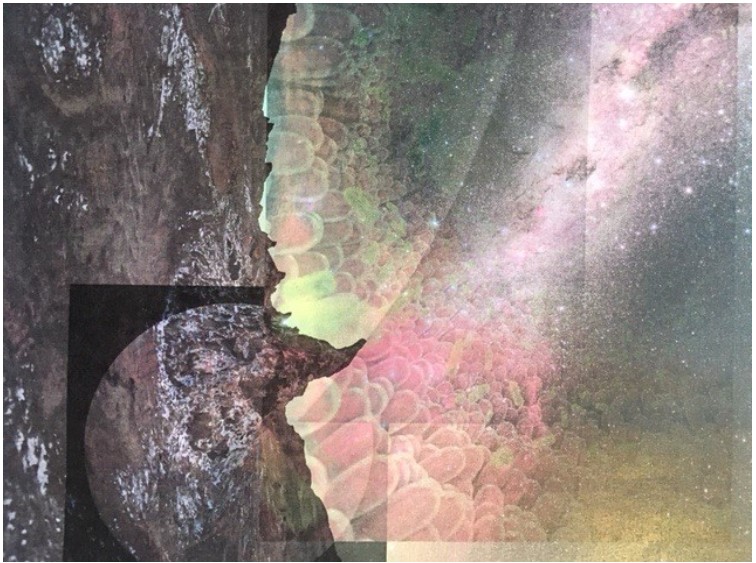
This thematic thread presents experiments, exercises, and reflections stemming from a two-day collaborative, practice-led workshop with ‘poetic resonance’.
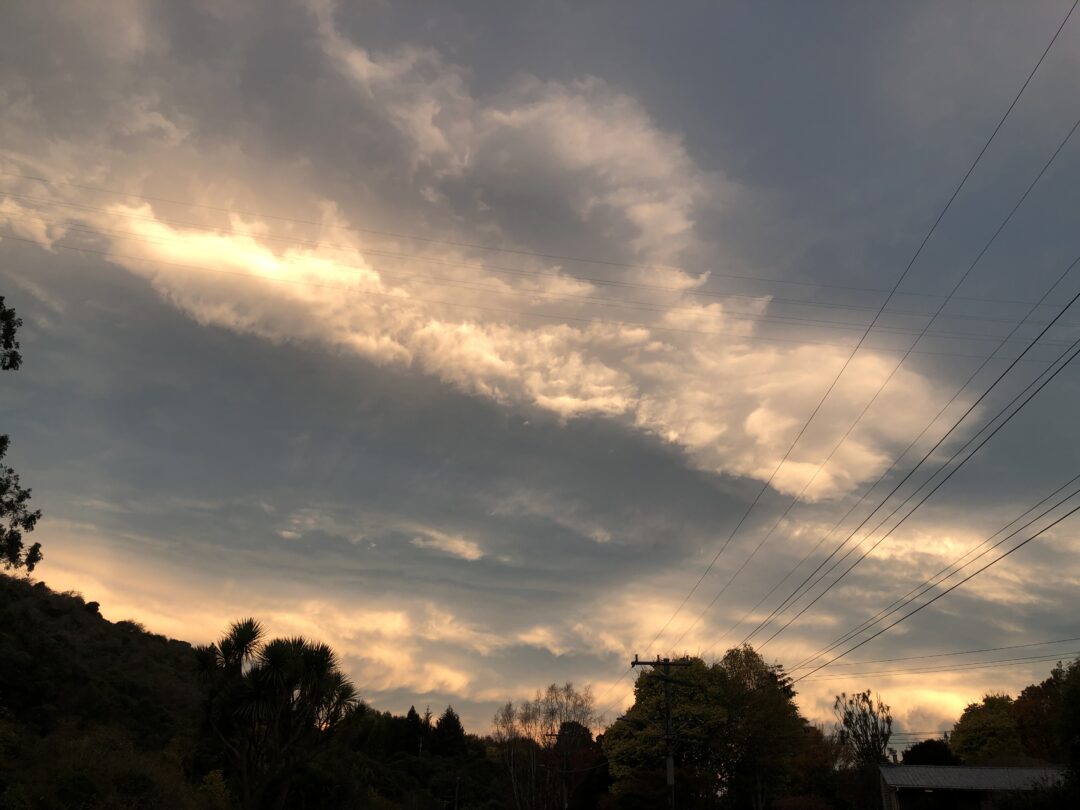
What does it mean to do research with climate? This essay reflects on the potential of poetic resonance as a method of creative experimentation and (auto)ethnographic practice, attuning the researcher/writer to the sensory experience of body and place.

When I am in spaces where poetry is performed, there are invisible yet palpable forces which raise my heartbeat, make my tears well up, and give me goosebumps.

This essay explores how poetic resonance can deepen ethnographic analysis by attuning to sensorial, embodied, and existential dimensions of experience.