

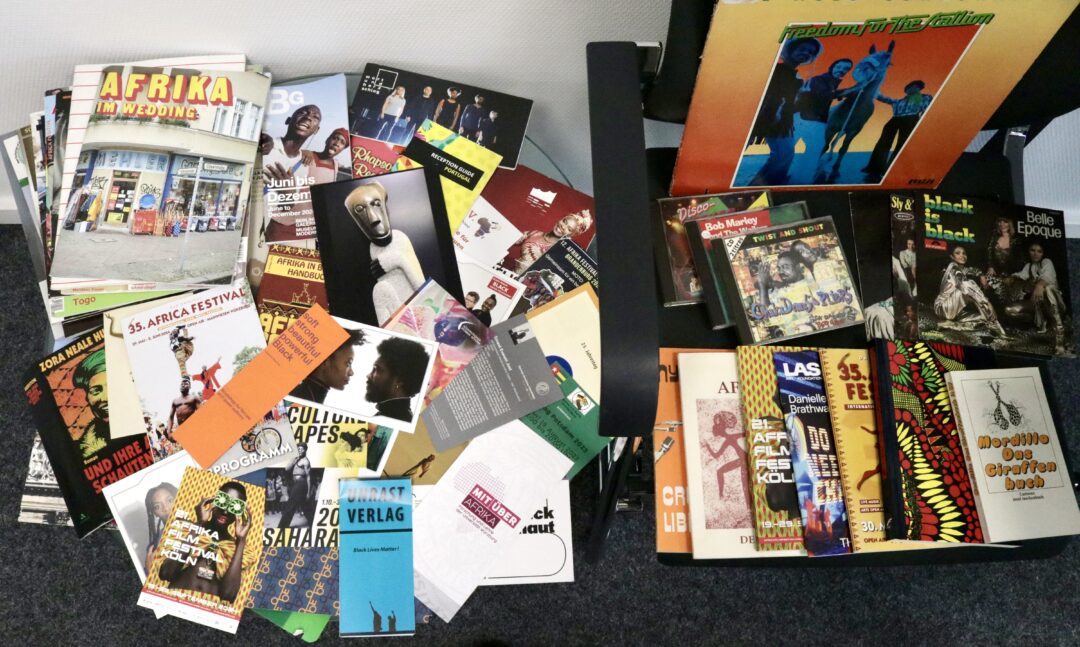
READING BLACK MULTIPLICITIES AND BLACK VISUAL LANGUAGES
How do we read, write, and understand Black visual languages?
How do we read, write, and understand Black visual languages?

This article introduces The New Ethnographer’s call for a “compassionate turn” in anthropology, extending the reflexive turn by foregrounding how fieldwork impacts researchers as well as interlocutors.
In this article, Nieves Galera reflects on the practical and emotional challenges of conducting ethnographic fieldwork with infants and their families.
Richard McNeil-Willson critiques sensationalised and unethical approaches to researching so-called “extremist” groups, responding to popular accounts that celebrate deception, infiltration, and personal risk.
Drawing on her Master’s fieldwork in Leipzig, Salma Moustafa Khalil reflects on how orientalism, gender, and racialised assumptions shape ethnographic encounters when a Middle Eastern woman conducts research in Europe.
The COVID-19 pandemic has fundamentally reshaped ethnographic research, forcing scholars to reconsider fieldwork methods, ethics, and institutional responsibilities.
Jennifer Cearns examines the persistent influence of the “Malinowskian” model of fieldwork on early-career anthropologists, arguing that traditional expectations of isolation and immersion create unnecessary guilt and anxiety in contemporary settings.
Based on eighteen months of participant observation in US gaming and live-action role-play communities, the piece examines how women ethnographers navigate access, safety, and credibility within male-dominated technical leisure cultures.
Of all the hundreds of photos on my old phone, there was only one that I absolutely had to get
From February 13 to 19 June 2026 Co-organised by Allegra Lab and EASA LawNet. What is critique, and what might