


Through the looking glass: learning to do ethnography with children and their families
In this article, Nieves Galera reflects on the practical and emotional challenges of conducting ethnographic fieldwork with infants and their families.
In this article, Nieves Galera reflects on the practical and emotional challenges of conducting ethnographic fieldwork with infants and their families.
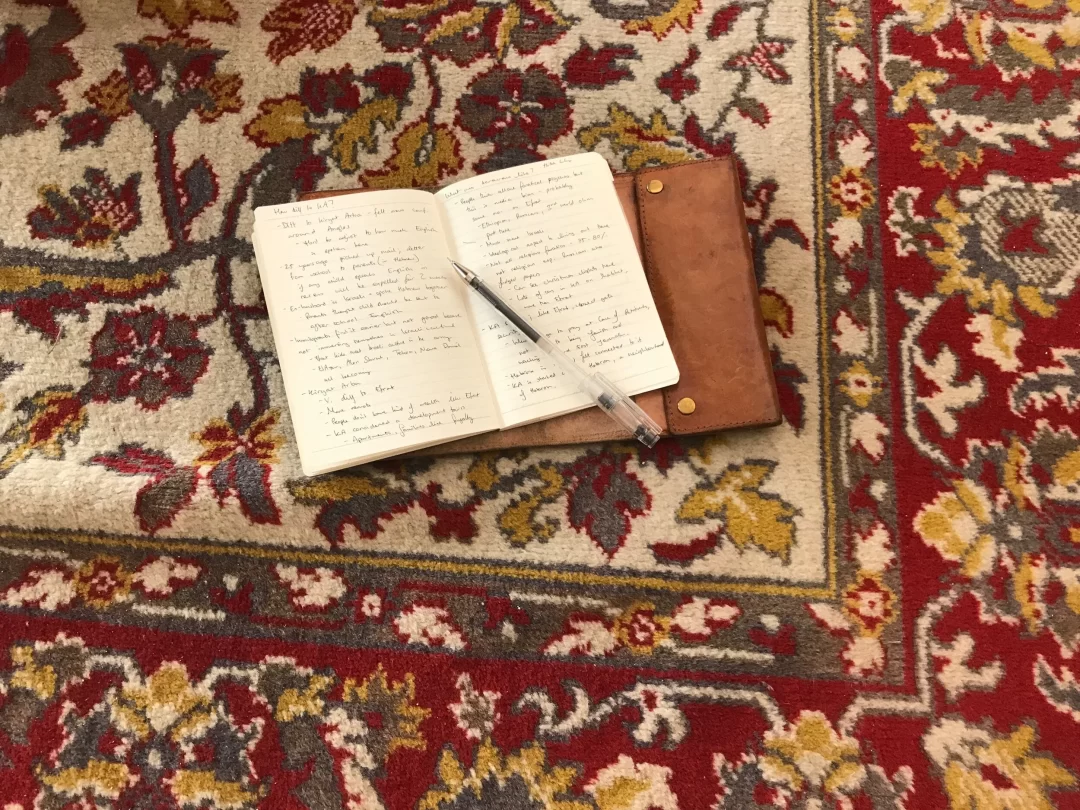
Writing from experiences of harassment, surveillance, and sexualised misrecognition during fieldwork in a highly militarised context, Anya Evans foregrounds the ethnographer’s body as a central site of knowledge production and vulnerability.
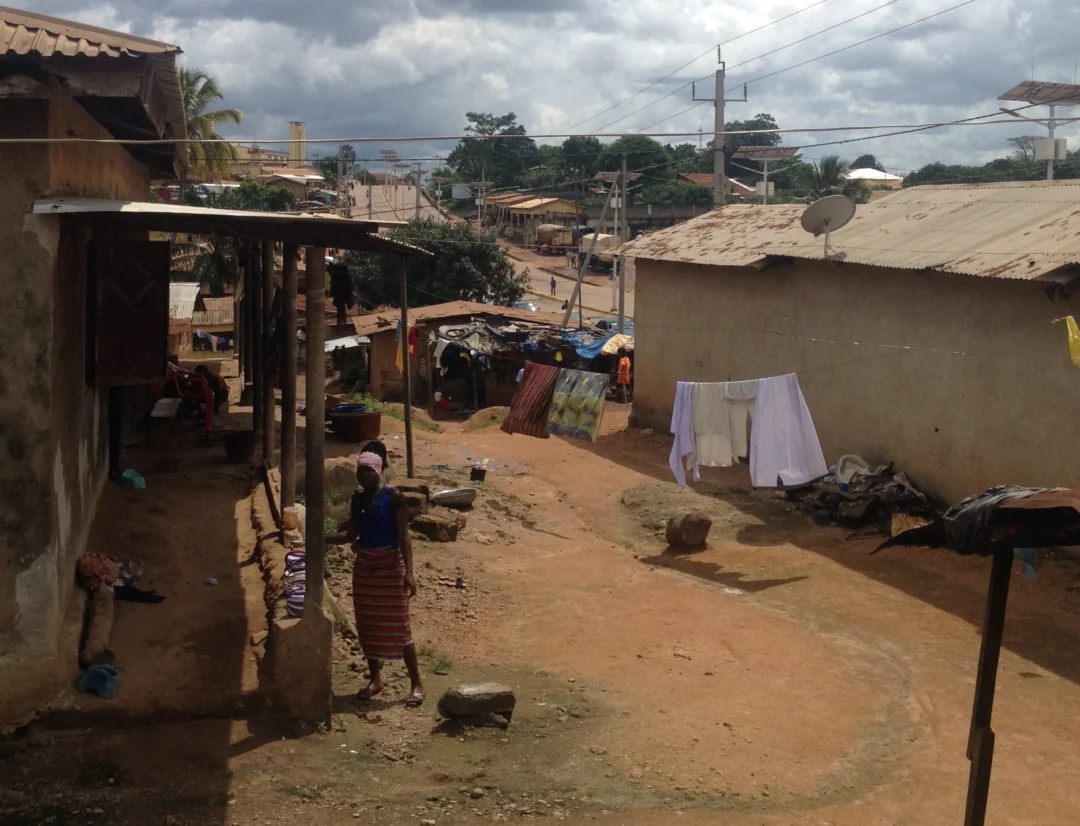
Emanuelle Roth critically examines how institutional risk frameworks reshape ethnographic practice through her experience of being recalled from doctoral fieldwork in Guinea after disclosing a pregnancy.
The COVID-19 pandemic has fundamentally reshaped ethnographic research, forcing scholars to reconsider fieldwork methods, ethics, and institutional responsibilities.
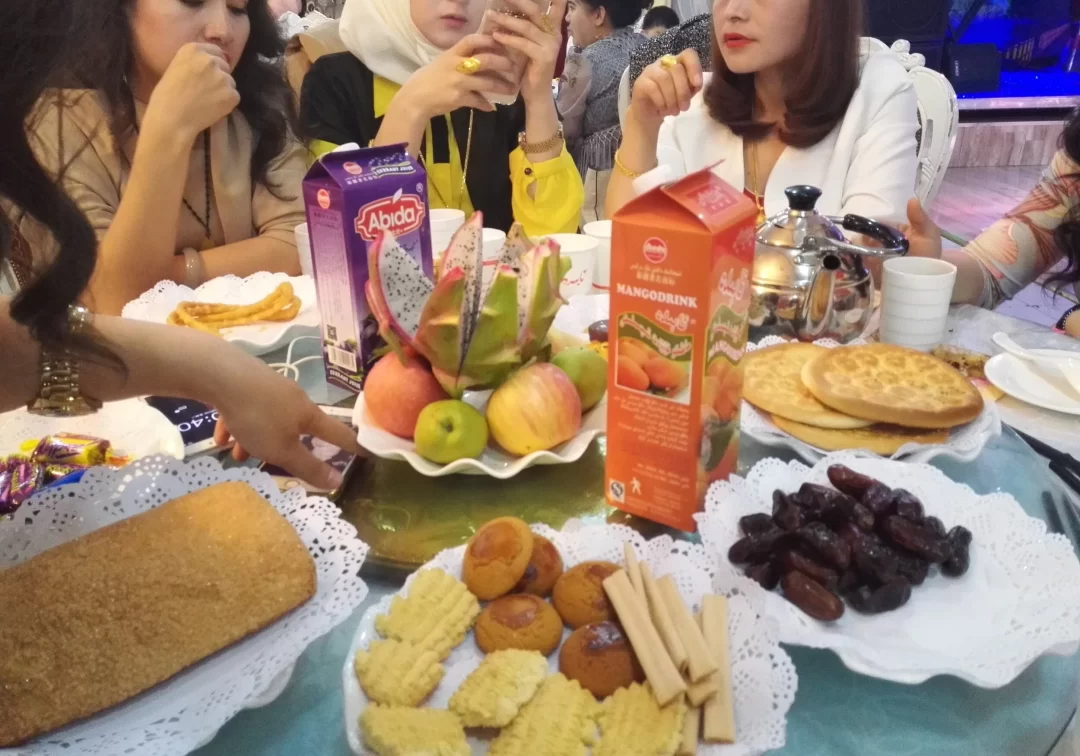
In this article, Lisa Ernst examines the overlooked psychological toll of “friendship as method” within ethnography, specifically during high-risk fieldwork in Xinjiang, China.

Luisa Enria reflects on profoundly sensitive experiences of fragility, power and reflexivity in the context of her long term ethnographic fieldwork in Sierra Leone.
In this article, Rine Vieth critiques the “Malinowskian” ideal of fieldwork, which prizes able-bodied endurance and long-term isolation as markers of professional authority.
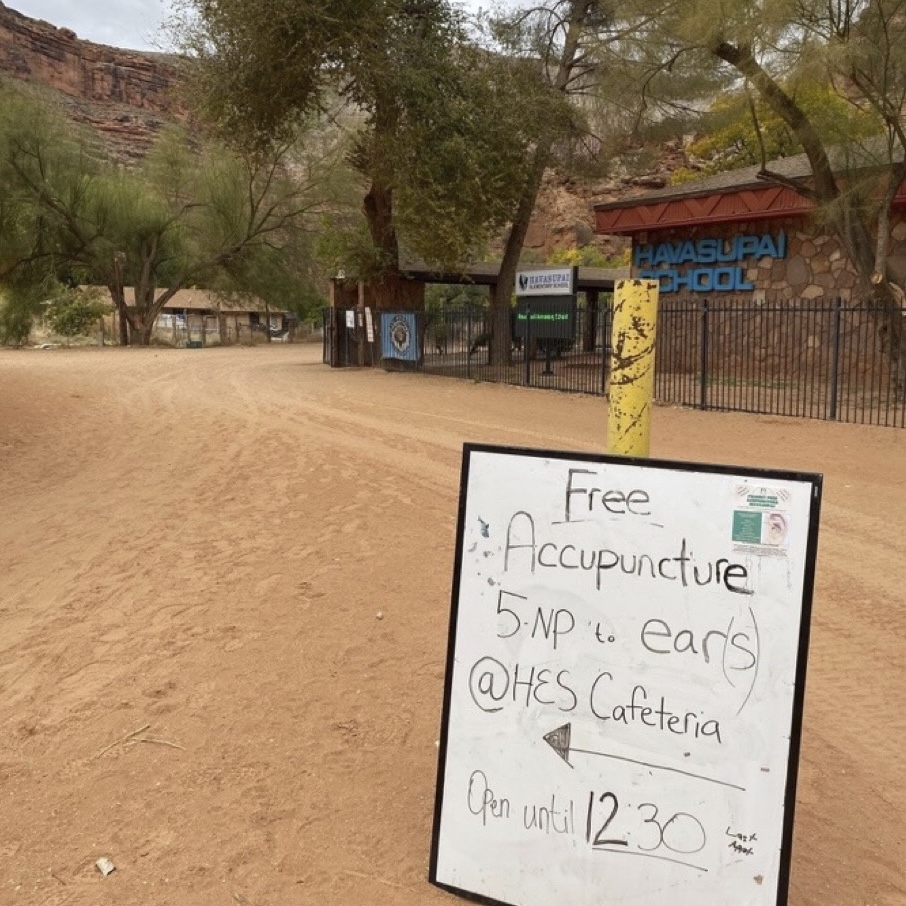
Through storytelling for health, the authors provide examples of different practices designed for justice and connection, community acupuncture and ethnographically informed research.
Introduction Private health service delivery is becoming increasingly dominant in biomedical landscapes worldwide. In global health circles, private health services
It was a crowded, freezing Monday morning in late January, in the large university hospital in northern Italy where I