

Towards a compassionate turn
This article introduces The New Ethnographer’s call for a “compassionate turn” in anthropology, extending the reflexive turn by foregrounding how fieldwork impacts researchers as well as interlocutors.
This article introduces The New Ethnographer’s call for a “compassionate turn” in anthropology, extending the reflexive turn by foregrounding how fieldwork impacts researchers as well as interlocutors.
In this article, Nieves Galera reflects on the practical and emotional challenges of conducting ethnographic fieldwork with infants and their families.
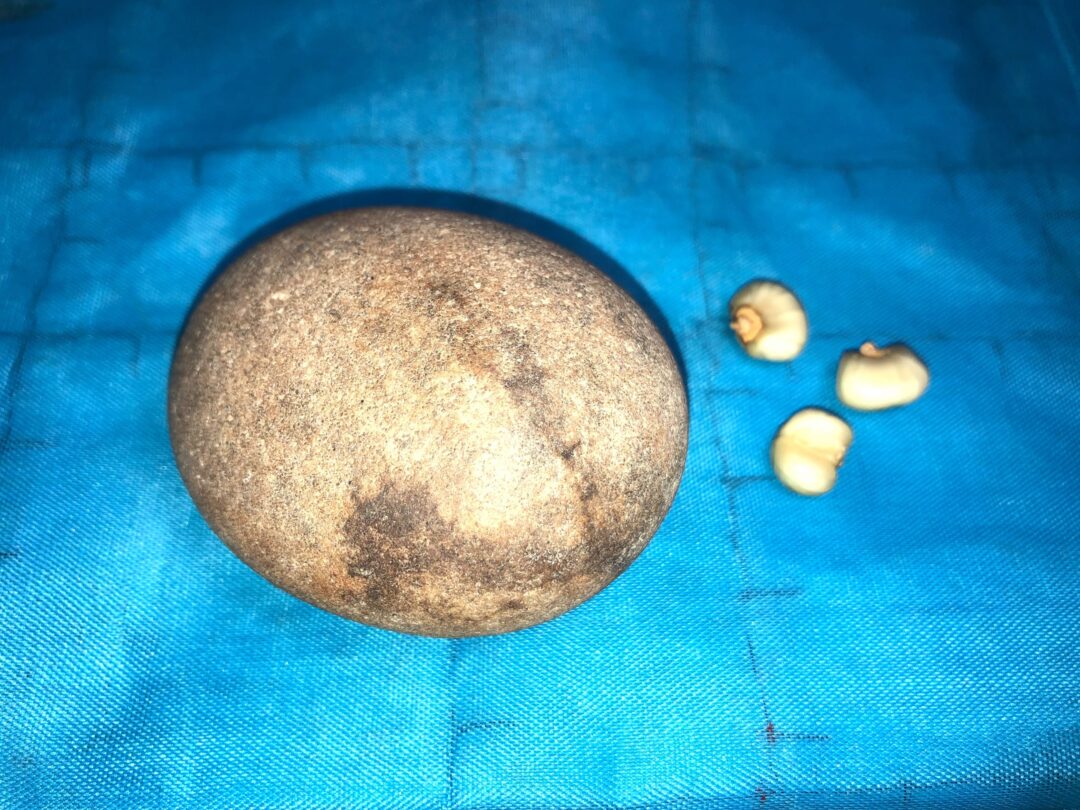
Of all the hundreds of photos on my old phone, there was only one that I absolutely had to get

This thematic thread presents experiments, exercises, and reflections stemming from a two-day collaborative, practice-led workshop with ‘poetic resonance’.

In this essay, I trace the force of fury that emerged within a single ethnographic moment and later saturated the analysis.
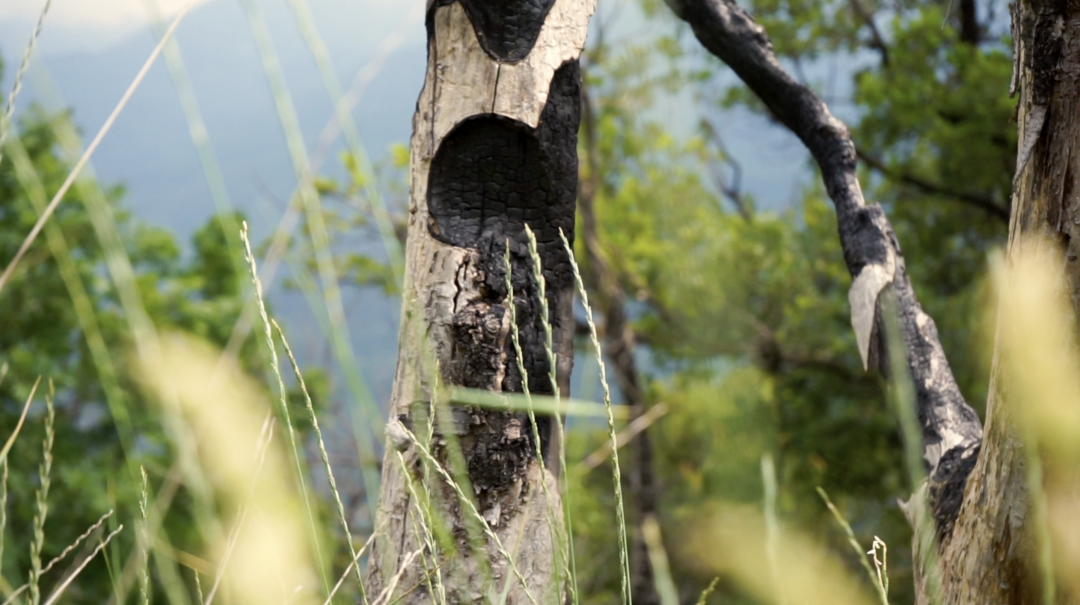
This essay explores how the poetic resonance protocol enabled a deeper, embodied engagement with my ethnographic object: a poetry workshop conducted with wildfire-affected residents in northern Germany.
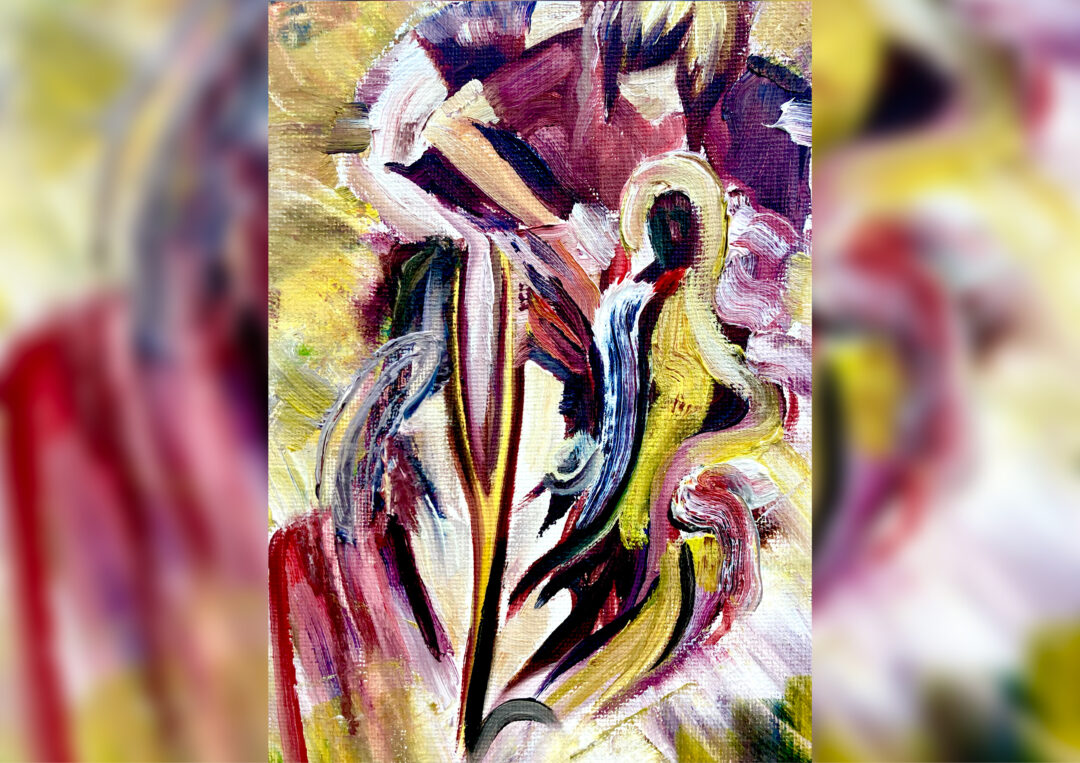
This afterword reflects on the practice of ethnography through the metaphor of the anthropologist as a tuning fork—an embodied instrument attuned to the subtle or violent vibrations of lived experience whilst working through ethnographic materials.

In Timor-Leste, children now learn to grow vegetables, conserve water, and design permaculture gardens as part of the national school curriculum.

I want to begin not with theory, but with a moment. It is early June 2016, and I am in