

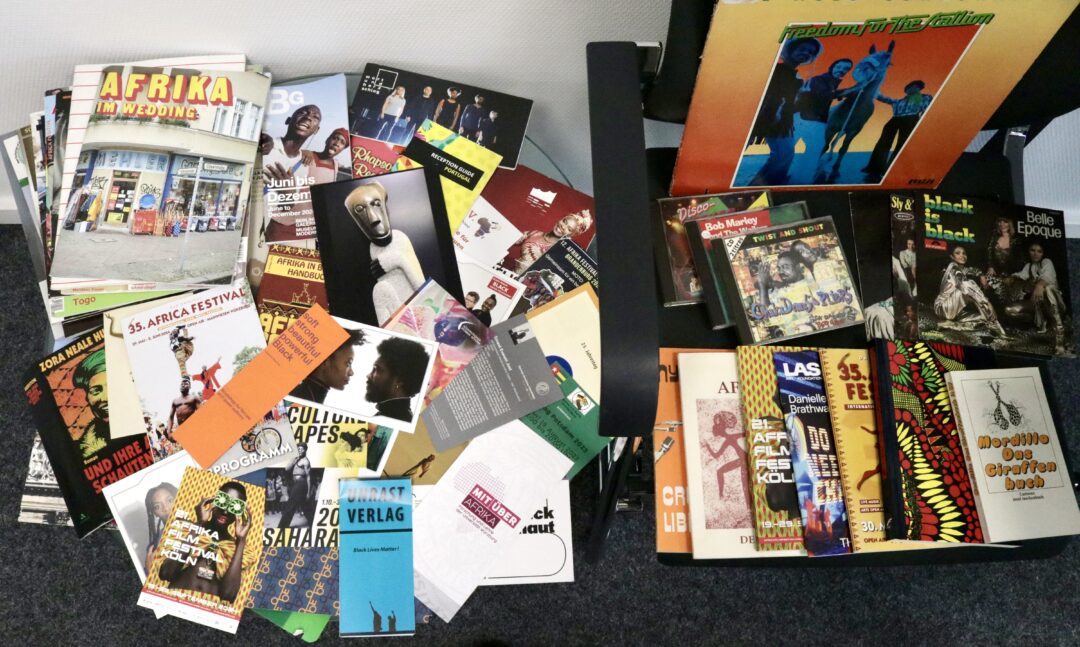
READING BLACK MULTIPLICITIES AND BLACK VISUAL LANGUAGES
How do we read, write, and understand Black visual languages?
How do we read, write, and understand Black visual languages?

Richard McNeil-Willson critiques sensationalised and unethical approaches to researching so-called “extremist” groups, responding to popular accounts that celebrate deception, infiltration, and personal risk.
This post reflects on contemporary challenges in ethnographic research, foregrounding the everyday ethical, emotional, and institutional pressures that shape fieldwork practice.
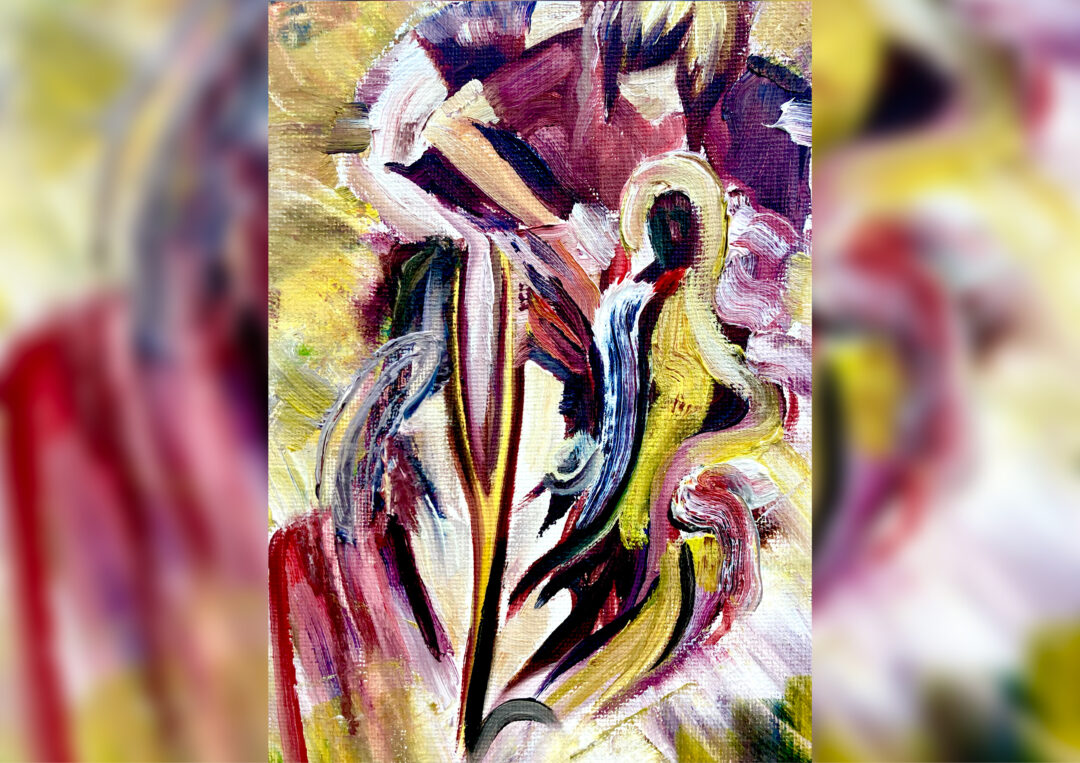
This afterword reflects on the practice of ethnography through the metaphor of the anthropologist as a tuning fork—an embodied instrument attuned to the subtle or violent vibrations of lived experience whilst working through ethnographic materials.
What do we owe the people who hand us their stories?
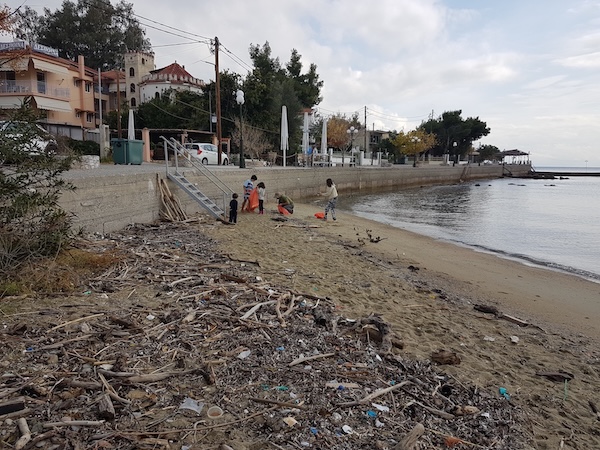
This article examines the flight of Israeli women and children after 7 October 2023 as a form of crisis-driven mobility that remains largely invisible to refugee and migration regimes.
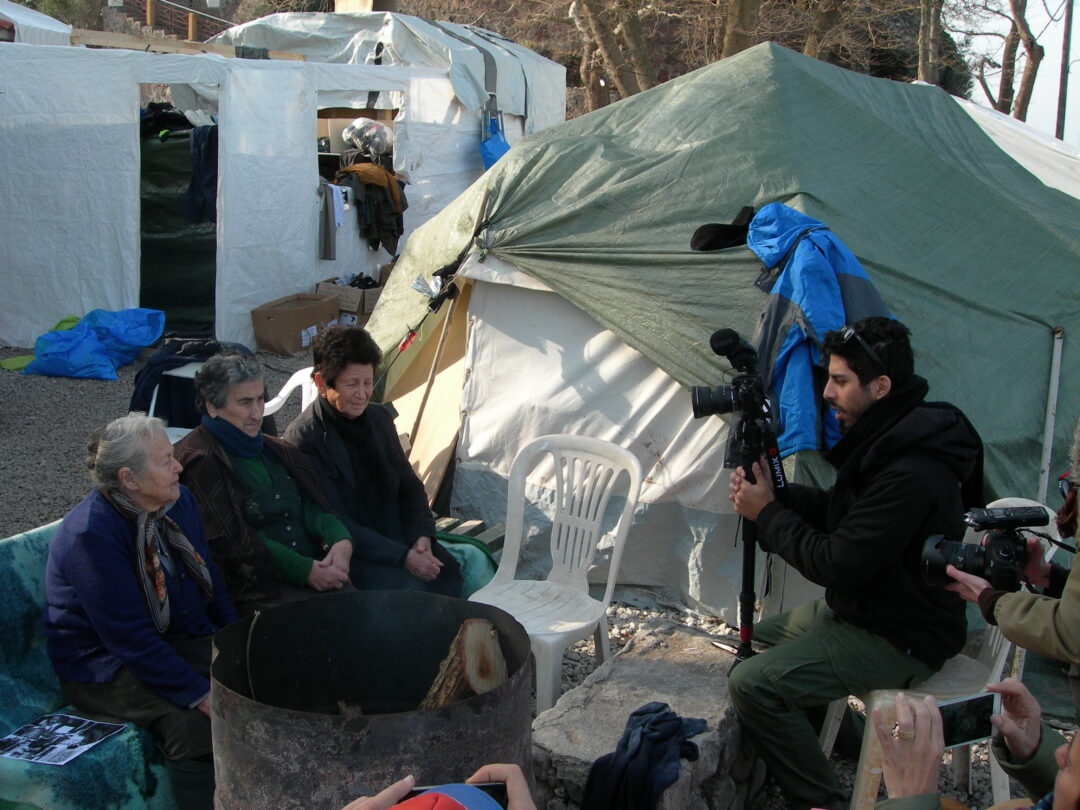
This article explores the interplay between morality and power in the conferral of humanitarian honors during the European “refugee crisis”.

On the morning of December 8, 2024, just hours after the fall of the Al-Asad regime was officially declared, Syrians

Joyful crowds toppling statues, unsealing torture prisons, defacing regime iconography, ordinary people roaming freely through Al-Asad’s Presidential Palace . .
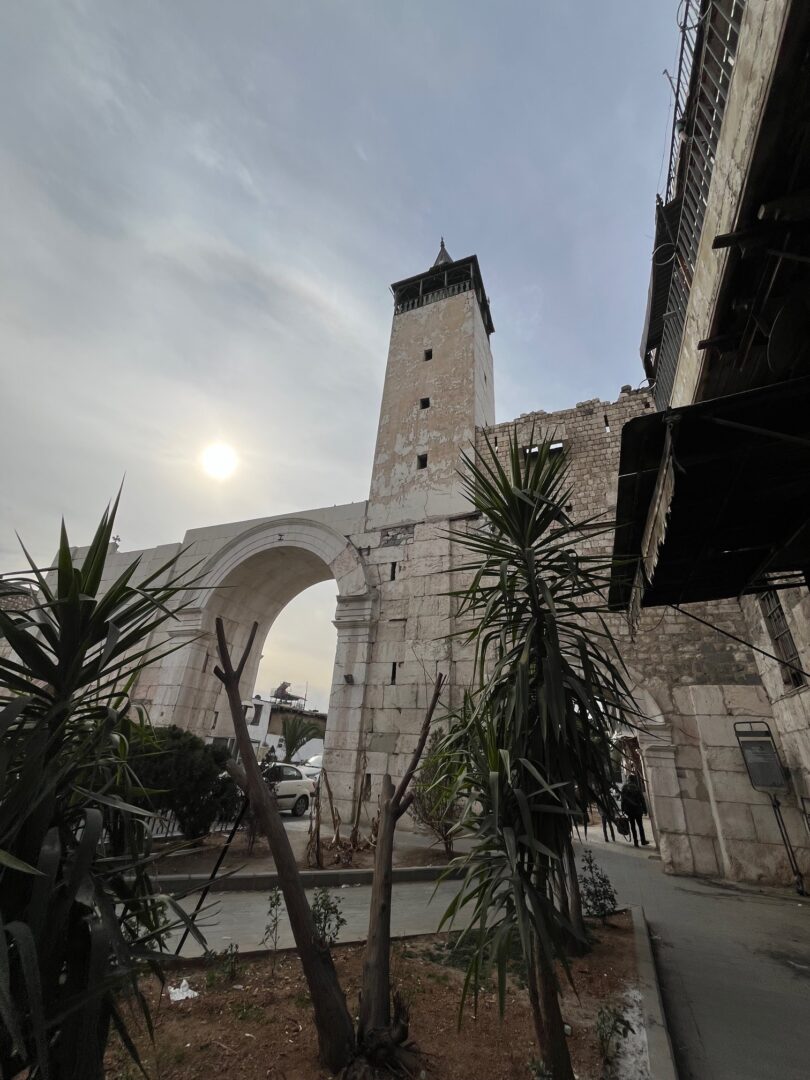
This post was written in February 2025. In late January 2025, just under two months after the toppling of the