


Unhealthy at the Health Fair: A personal account of chronic illness and disability in the field
This reflective essay examines the author’s experience conducting fieldwork while managing chronic illness and disability.
This reflective essay examines the author’s experience conducting fieldwork while managing chronic illness and disability.
In this article, Nieves Galera reflects on the practical and emotional challenges of conducting ethnographic fieldwork with infants and their families.
Richard McNeil-Willson critiques sensationalised and unethical approaches to researching so-called “extremist” groups, responding to popular accounts that celebrate deception, infiltration, and personal risk.
This post reflects on contemporary challenges in ethnographic research, foregrounding the everyday ethical, emotional, and institutional pressures that shape fieldwork practice.

Hareem Khan examines the fragility and fluidity of friendships formed during ethnographic fieldwork, focusing on trust, distrust, and rupture as constitutive elements of research relationships.
Micha Rahder critiques “ethnographic ableism,” the structural exclusion and silencing of researchers with disabilities in anthropology.
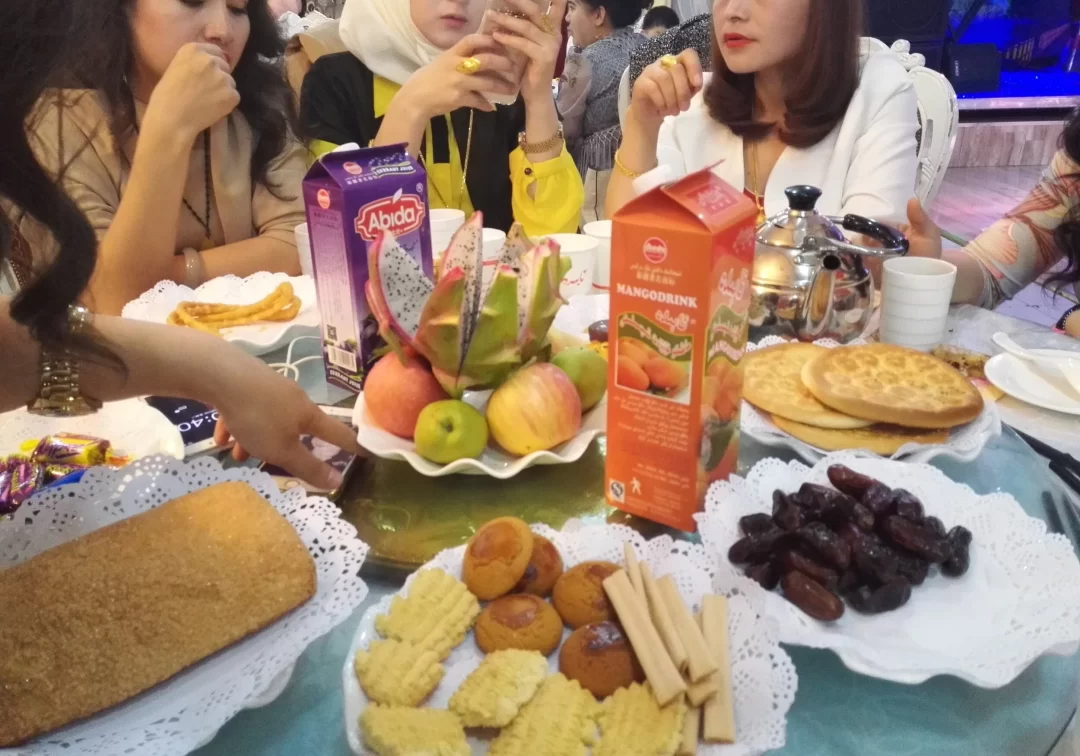
In this article, Lisa Ernst examines the overlooked psychological toll of “friendship as method” within ethnography, specifically during high-risk fieldwork in Xinjiang, China.
In this article, Rine Vieth critiques the “Malinowskian” ideal of fieldwork, which prizes able-bodied endurance and long-term isolation as markers of professional authority.
Jennifer Cearns examines the persistent influence of the “Malinowskian” model of fieldwork on early-career anthropologists, arguing that traditional expectations of isolation and immersion create unnecessary guilt and anxiety in contemporary settings.
Based on eighteen months of participant observation in US gaming and live-action role-play communities, the piece examines how women ethnographers navigate access, safety, and credibility within male-dominated technical leisure cultures.