

The ethics of mediation in conservation spaces
This article explores the ethical precarity of conducting anthropological research within contested conservation spaces, where moral boundaries are blurred and alliances are unstable.
This article explores the ethical precarity of conducting anthropological research within contested conservation spaces, where moral boundaries are blurred and alliances are unstable.
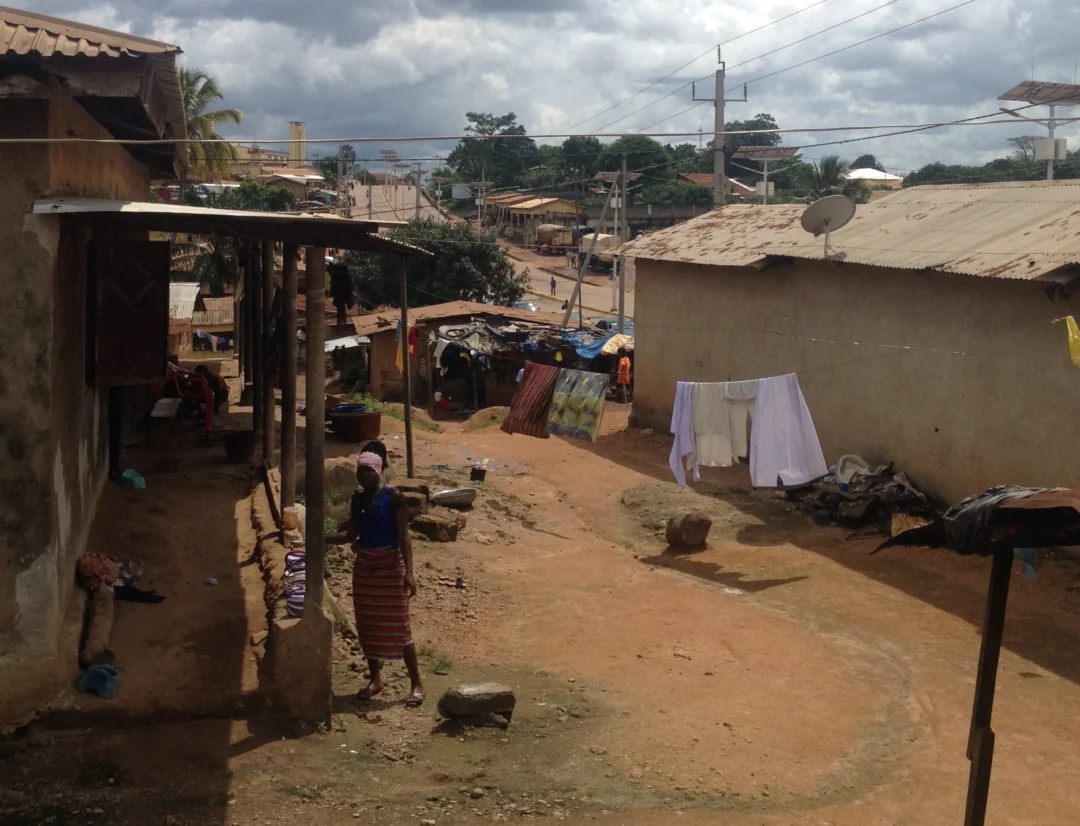
Emanuelle Roth critically examines how institutional risk frameworks reshape ethnographic practice through her experience of being recalled from doctoral fieldwork in Guinea after disclosing a pregnancy.

Drawing on her Master’s fieldwork in Leipzig, Salma Moustafa Khalil reflects on how orientalism, gender, and racialised assumptions shape ethnographic encounters when a Middle Eastern woman conducts research in Europe.
This post reflects on contemporary challenges in ethnographic research, foregrounding the everyday ethical, emotional, and institutional pressures that shape fieldwork practice.

Hareem Khan examines the fragility and fluidity of friendships formed during ethnographic fieldwork, focusing on trust, distrust, and rupture as constitutive elements of research relationships.
The COVID-19 pandemic has fundamentally reshaped ethnographic research, forcing scholars to reconsider fieldwork methods, ethics, and institutional responsibilities.
Tarek Younis reflects on the affective and ethical challenges of conducting ethnographic research on the UK’s Prevent counter-radicalisation duty within the NHS.
Micha Rahder critiques “ethnographic ableism,” the structural exclusion and silencing of researchers with disabilities in anthropology.
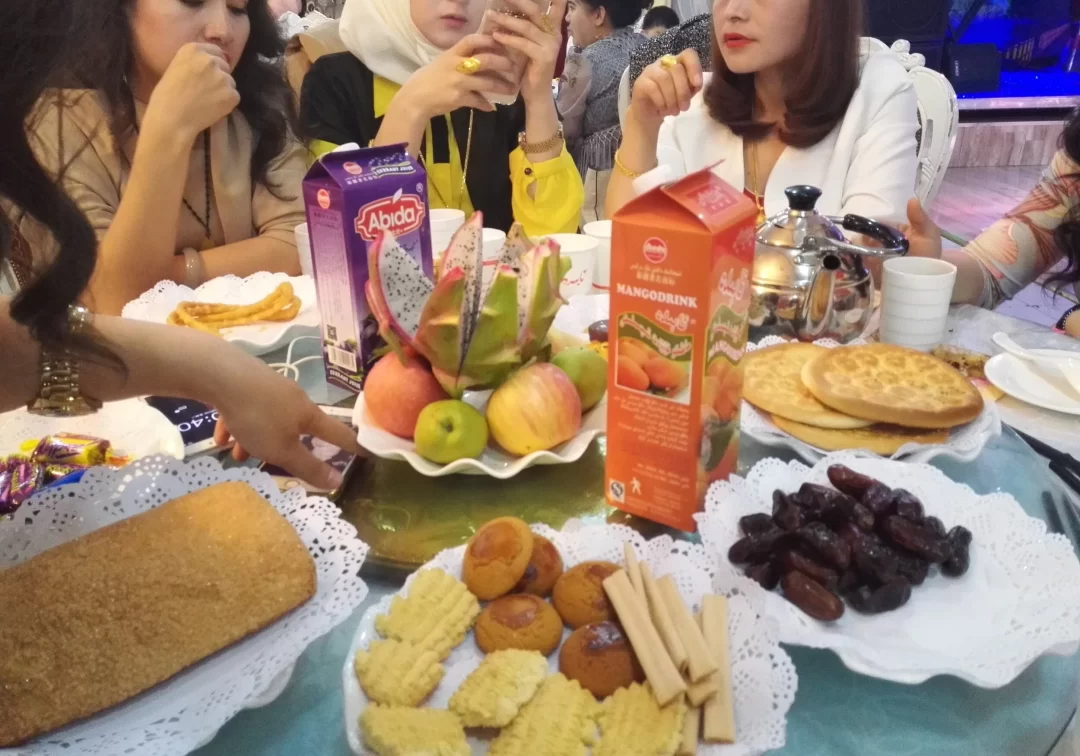
In this article, Lisa Ernst examines the overlooked psychological toll of “friendship as method” within ethnography, specifically during high-risk fieldwork in Xinjiang, China.
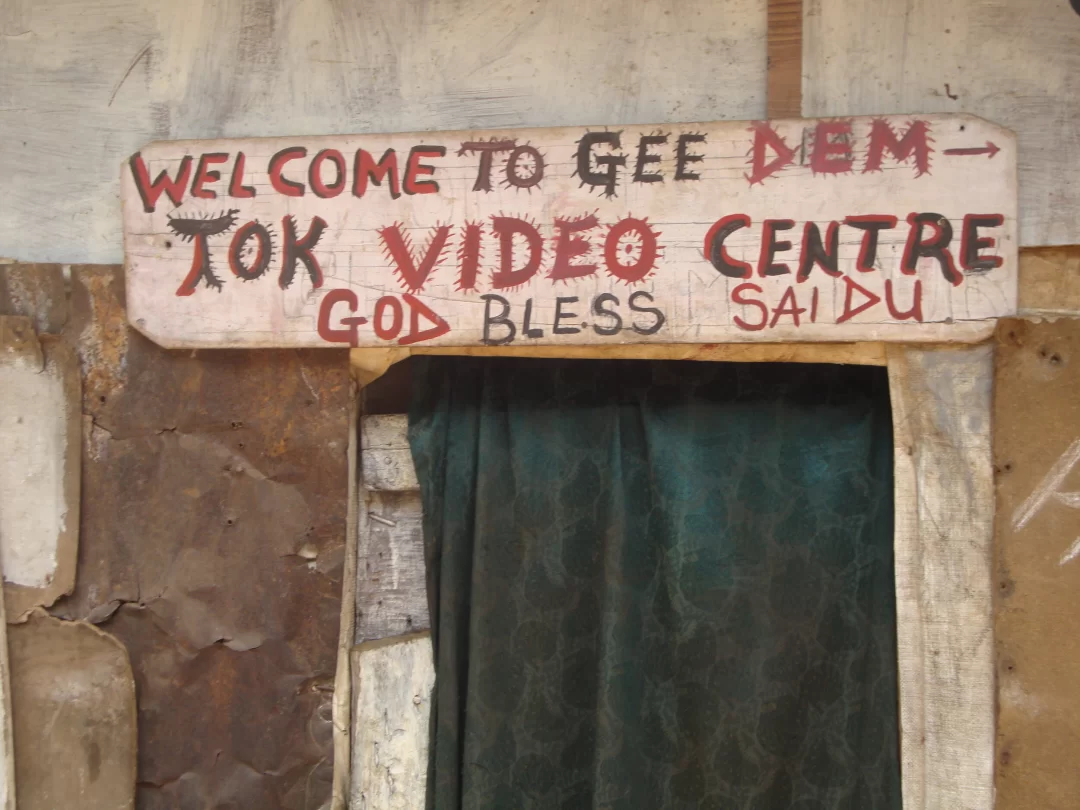
Luisa Enria reflects on profoundly sensitive experiences of fragility, power and reflexivity in the context of her long term ethnographic fieldwork in Sierra Leone.