

In our most recent book review series, Allegra contributors thought together with authors researching Settler Colonialism, Borders and Empire. Fourteen impactful reviews engaged with diverse books related to the history of Japanese settler colonialism in Brazil, Israel’s pillaging of Palestinian property, and the collaboration between Israeli academic and military institutions, among a great many others.
Our 2026 review series — Solidarities, Hope and Care — speaks to our collective refusal to acquiesce or to withdraw from our ethical obligations to one another. As the places we hold dear are plunged into darkness, the authors included below take their cues from the resourcefulness, determination, and creativity of those for whom survival is a daily struggle, without romanticising their suffering. The books featured in this series attend to the moral and material practices of mutual aid, solidarity, and humanitarianism, neighbourism and friendship, love and care. Across sites, movements, and traditions, they foreground the collective pursuit of justice, self-determination, and decolonisation.
Some of the books listed below may not be obvious fits for this series. In curating this collection, we asked: How are people coming together, responding collectively, organizing to share and redistribute critical resources, and protecting one another – across so-called dividing lines and in ways that go beyond performative allyship? How can we respond, as anthropologists and academics who are also friends and flatmates, siblings and neighbours, caregivers and receivers, allies and defenders of our shared humanity? What values, visions, actions, or divestments will assure our collective survival through these times, and how can we ensure that we are moving towards a future that is more, not less, loving: one that expands rather than diminishes our shared (more-than-) humanity?
How to Proceed:
Interested in reviewing one of the books listed below or another book that you believe fits well with this series? We recommend that you begin by taking a look at our contributor guidelines, including the length requirements and suggested publication timeline for reviews.
Then, as we receive many requests to review, please send an email to reviews@allegralaboratory.net indicating which book you would like to review, your affiliation, and 2-3 sentences explaining how the book relates to your own research or interests. Please also include your postal address and phone number for the courier. As we receive a slew of inquiries in the days following a new call, we appreciate your patience with us — we will get back to you once we have selected the reviewers.
Book List
Maya J. Berry. Defending Rumba in Havana: The Sacred and the Black Corporeal Undercommons. Durham: Duke University Press, 2025.
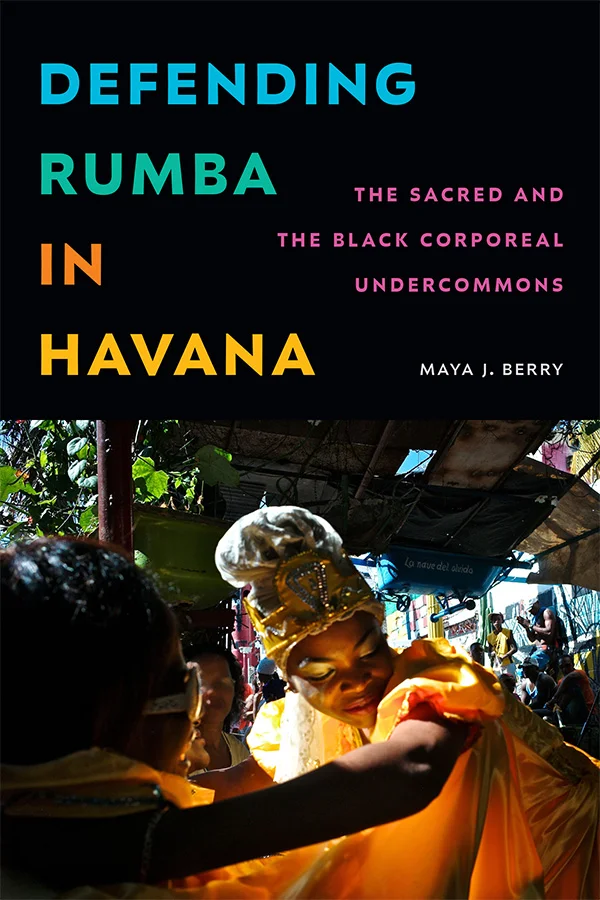
In Defending Rumba in Havana, anthropologist and dancer Maya J. Berry examines rumba as a way of knowing the embodied and spiritual dimensions of Black political imagination in post-Fidel Cuba. Historically a Black working-class popular dance, rumba, Berry contends, is a method of Black Cuban struggle that provides the community, accountability, sustenance, and dignity that neither the state nor the expanding private market can. Berry’s feminist theorization builds on the notion of the undercommons to show how rumba creates a space in which its practitioners enact deeply felt and dedicatedly defended choreographies of reciprocity, refusal, sovereignty, devotion, and pleasure, both on stage and in their daily lives.
By centering rumba to analyze how poor Black Cubans navigate gendered and racialized life, Berry helps readers better understand the constraints and yearnings that move diasporic Black struggles to seek refuge beyond the bounds of the nation-state.
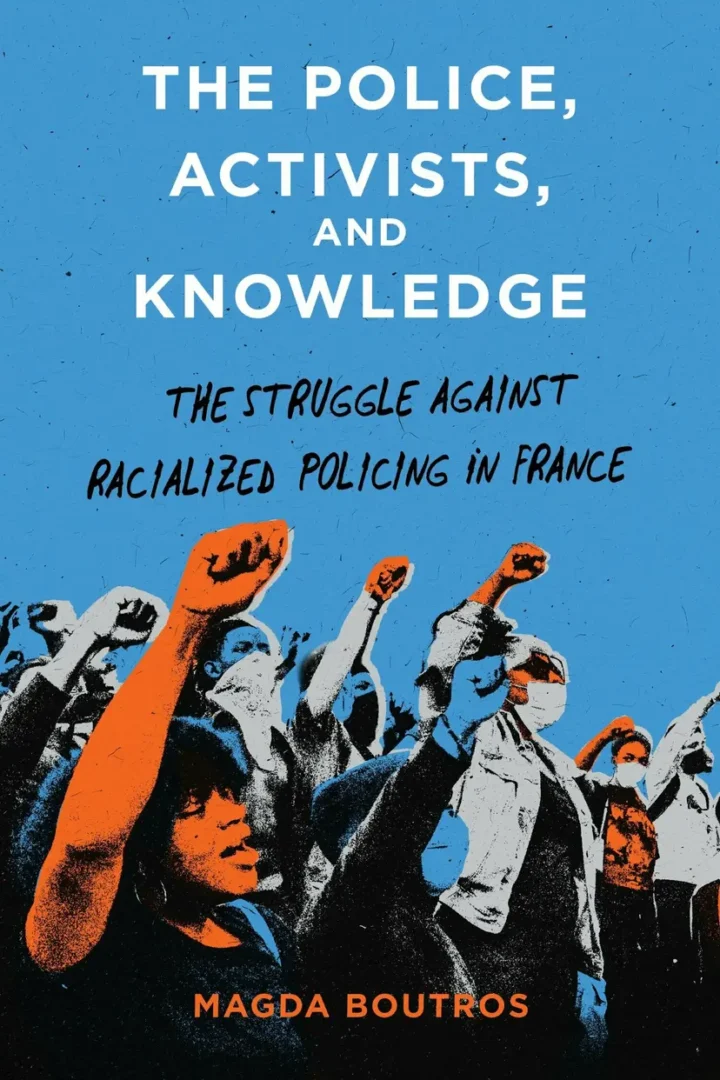
Magda Boutros. The Police, Activists, and Knowledge: The Struggle Against Racialized Policing in France. Stanford: Stanford University Press, 2026.
Over the past fifteen years in France, police brutality, racial profiling, and police impunity have become salient issues of the public and political debate. In this book, Magda Boutros examines the social movements that brought these issues to the forefront of public conversations and analyzes how they influenced the terms of the debate about policing and inequality. In France, like in other countries, the police hold significant power to determine what is known – and what remains hidden – about their practices.
Drawing on a comparative ethnography of three activist coalitions, Boutros shows the different ways activists produced evidence about policing and racial inequalities: collecting quantitative data, documenting lived experiences of police targets, or victims coming together to analyze patterns of oppression.
Lorenzo Feltrin. Workers and the World: Fighting Ecological Crisis from Within. London: Verso, 2026.
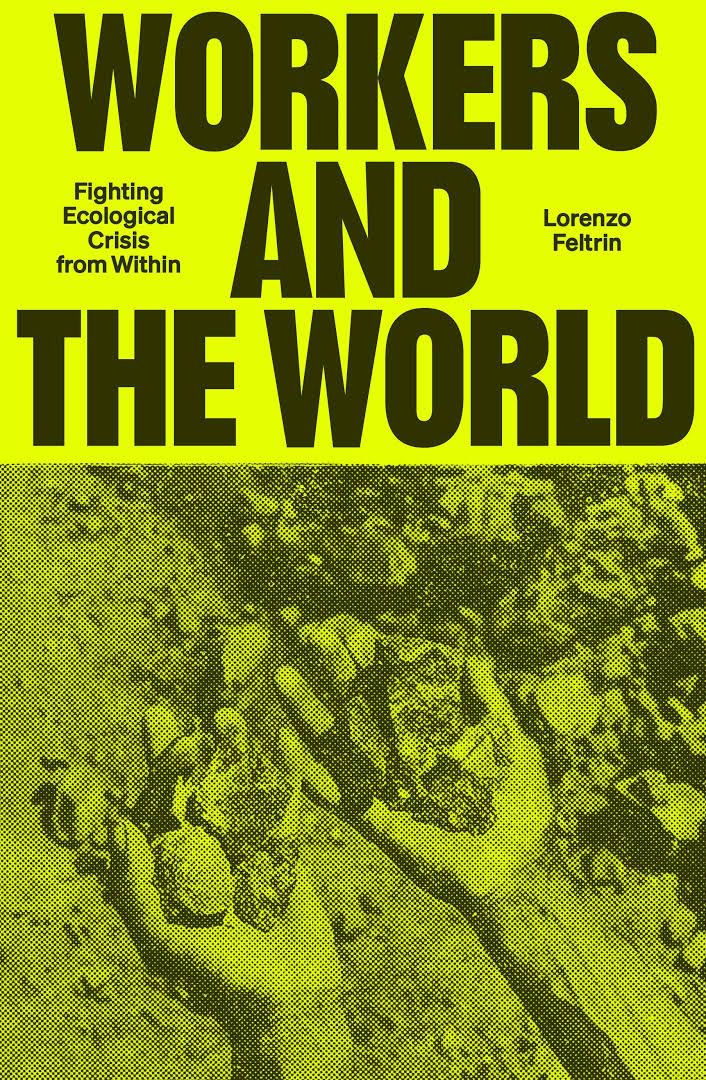
Workers are not doomed to be merely the victims of environmental devastation. As Lorenzo Feltrin shows, they can be key actors in preventing it. Because labour supports an unsustainable system of endless growth, it holds a central place in any strategy for our long-term survival.
Bringing Italian workerist theory into dialogue with a range of traditions from dependency theory to ecofeminism, Feltrin examines the intersection of labour and nature across the globe. By addressing several urgent dimensions of the ecological crisis, such as automation, precarious employment, imperialism and social reproduction, he offers a new framework for understanding how labour struggles and environmental justice are intertwined.
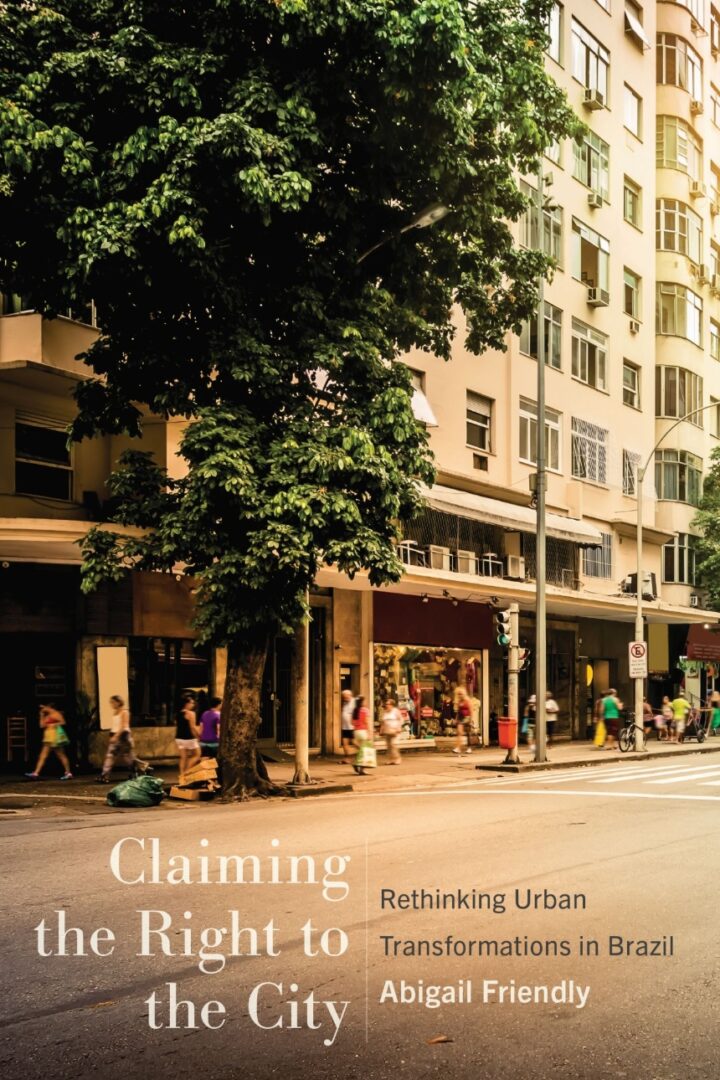
Abigail Friendly. Claiming the Right to the City: Rethinking Urban Transformations in Brazil. Vancouver: UBC Press, 2026.
The right to the city – the freedom for all to inhabit urban space, to occupy, govern, change, and enjoy the city, and to access its resources – is fundamental to quality of life and genuinely inclusive democracy. Claiming the Right to the City critically explores attempts to redefine Brazil’s planning model based on social justice. The Brazilian experience of profound urban challenges over the past forty years has been characterized by a persistent division between a theoretically acknowledged right to the city and the reality of urban policy, planning, and practice, within the context of economic inequality and unequal rights.
Abigail Friendly highlights the vital role of urban social movements and participatory planning, as well as the tools used in implementing progressive goals such as controlling urban vacancy and applying land value capture. Looking to the future, Friendly proposes an approach uniting institutions with bottom-up engagement of citizens, communities, and grassroots organizations to drive urban transformations.
Hanna Garth. Food Justice Undone: Lessons for Building a Better Movement. Oakland: University of California Press, 2026.
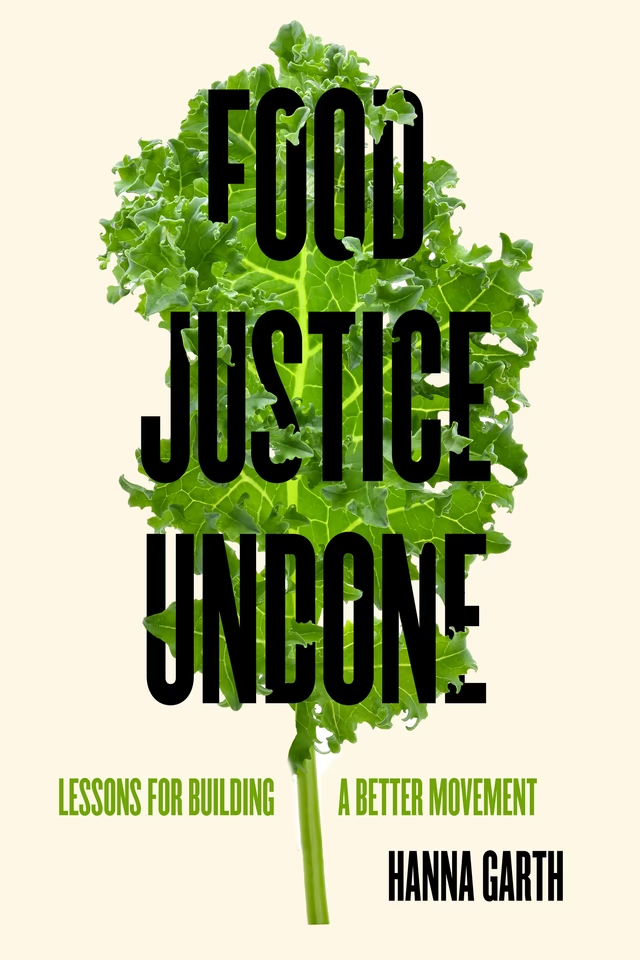
Food justice activists have worked to increase access to healthy food in low-income communities of color across the United States. Yet despite their best intentions, they often perpetuate food access inequalities and racial stereotypes. Hanna Garth shows how the movement has been affected by misconceptions and assumptions about residents, as well as by unclear definitions of justice and what it means to be healthy. Focusing on broad structures and microlevel processes, Garth reveals how power dynamics shape social justice movements in particular ways.
Food Justice Undone explores the stakes of social justice and the possibility of multiracial coalitions working toward a better future.
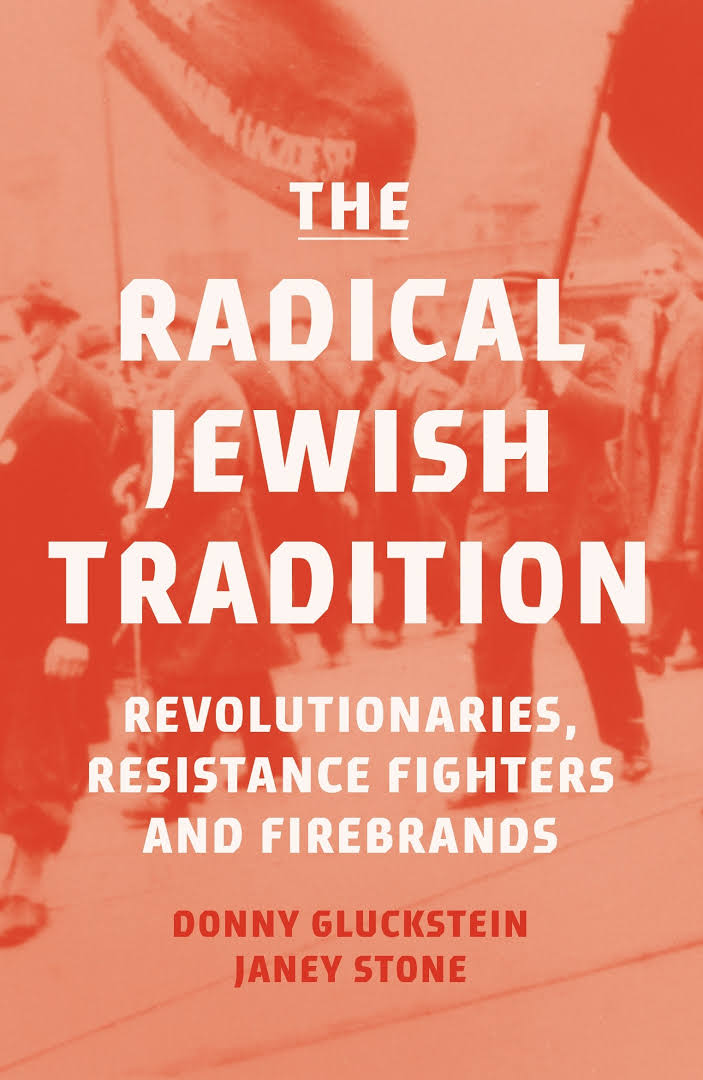
Donny Gluckstein and Janey Stone. The Radical Jewish Tradition: Revolutionaries, Resistance Fighters and Firebrands. London: Verso, 2026.
The Radical Jewish Tradition recovers a neglected and suppressed history of Jewish resistance to oppression. Collected here are stories of heroism and selflessness that trace their origins to resistance against the nineteenth-century Tsarist Empire. These radical Jews—most of them working class—found common cause with other oppressed groups. They refused to be defined as victims.
This inspiring tradition was ultimately checked by the callous indifference of capitalist governments to refugees before the Second World War and to the Holocaust. Donny Gluckstein and Janey Stone revive this history for the benefit of a world in crisis. They consider this legacy and its impact on modern Jewish identity. At a time when a bellicose Israeli government claims to represent Jews the world over, the history of these radicals bursts the constraints placed on the historical imagination.
Adam Hanieh, Robert Knox and Rafeef Ziadah. Resisting Erasure: Capitalism, Imperialism and Race in Palestine. London: Verso, 2025.
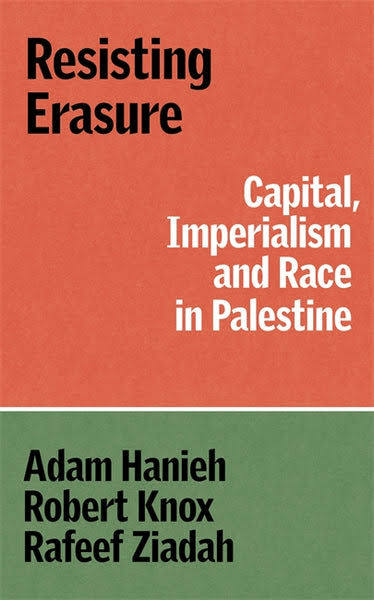
Why has Palestine become a defining fault line of contemporary politics?
Challenging mainstream narratives that reduce Palestine to ancient hatreds, humanitarian tragedy, or legal abstractions, Resisting Erasure places Israeli settler-colonialism within the broader historical arc of imperialism, race, and fossil capitalism in the Middle East.
Resisting Erasure is a succinct and far-reaching critique of the socio-economic and political forces that sustain the Israeli settler-colonial project. An essential introduction for anyone looking to understand what Palestine reveals about the world – and what it demands of us today.
Manissa Maharawal. Anti-Eviction: The Fight Against Tech-Led Gentrification in San Francisco. Oakland: University of California Press, 2026.
In the early 2010s, San Francisco experienced a tech boom that created both great wealth and great inequality. The city became known for runaway gentrification, a major housing crisis, and an “eviction epidemic” of long-term tenants. Yet these changes also drove an inspiring housing justice movement that exposed gentrification as far from inevitable.
In Anti-Eviction, anthropologist and scholar-activist Manissa Maharawal tells the story of how residents built a powerful anti-eviction movement and how they fought—and sometimes won—a right to their homes and their city. Focusing on the stories of tenants facing eviction, Maharawal describes the different strategies for resistance that emerged as well as lessons for the broader national housing crisis, beyond California. This illuminating book offers not only actionable models for activism and resisting gentrification, but also a powerful study of how ordinary people came together to organize for housing justice and change their city.

Cindy Milstein. Constellations of Care: Anarcha-Feminism in Practice. London: Pluto Press, 2024.
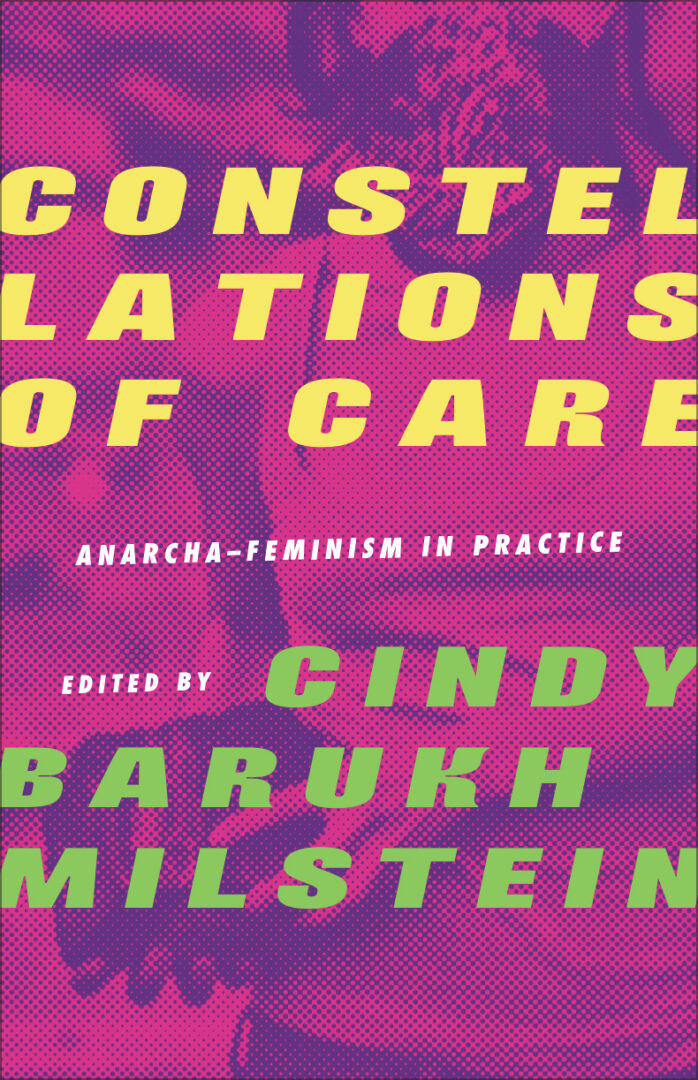
What do we do when the state has abandoned us? From failing health systems to housing crises to cascading ecological collapse, it’s increasingly evident that state-centered politics do not protect us from the violence of colonialism and capitalism, fascism and patriarchy. In fact, they actively work to harm us.
Anarchist feminism—or anarcha-feminism—shows us that the ways we tend to our social relations can build a new world inside the old one. We can take care of each other when nothing else will, supplying communal well-being and liberatory horizons.
From communitarian kitchens to medic collectives, squatted social centers to queer theater troupes, Ljubljana to Mexico City, Constellations of Care powerfully underscores that we already have everything we need and desire in one another to carve out lives worth living.
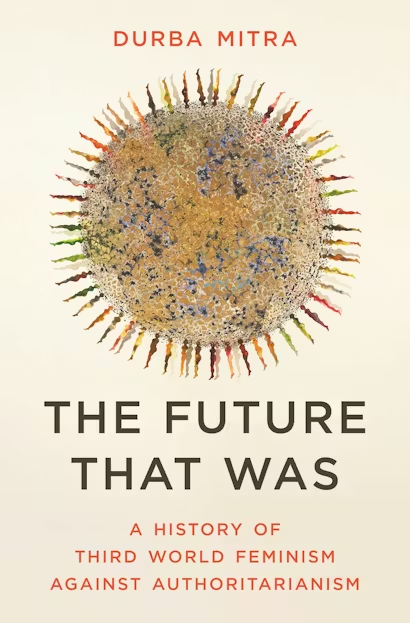
Durba Mitra. The Future That Was: A History of Third World Feminism Against Authoritarianism. Princeton: Princeton University Press, 2026.
Beginning in the 1970s, women of the decolonizing world offered new visions of liberation that centered the ideas and lives of women. Galvanized by International Women’s Year in 1975 and the UN’s Decade of Women, Third World women developed novel ideas of equality and self-determination, building a new internationalism in opposition to neocolonialism and postcolonial authoritarianism. In The Future That Was, feminist historian Durba Mitra offers a pathbreaking account of how these women wrote Third World feminism into being, catalyzing a momentous expansion of knowledge about women, gender, and sexuality that transformed emancipatory politics across the globe.
The Future That Was transforms the story of decolonization and its aftermath through the history and ideas of women. By excavating these vital pasts, Mitra shows how we might envision a future of our own that is freer than the present.
Andrew Flachs. Feeding the World as if People Mattered: How Small Farms Produce Value Beyond Yields. Tucson: The University of Arizona Press, 2026.
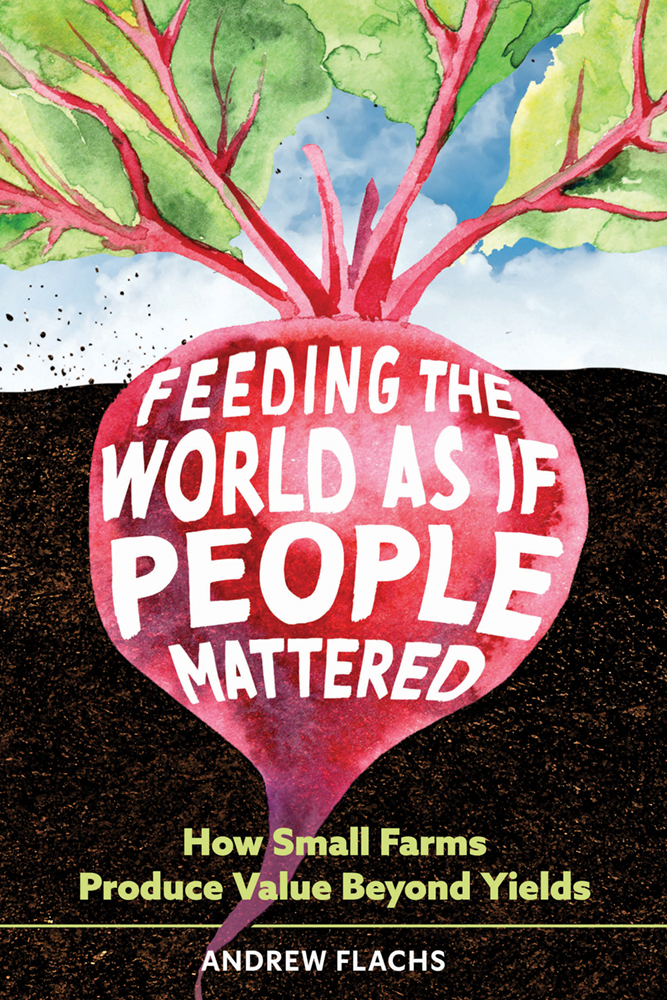
Backyard gardens flush with cucumbers, tomatoes, and peppers where bees buzz and chickens scratch. Beyond, a forest filled with blackberries and jewelweed. Inspired by childhood memories of his grandmother’s overflowing backyard garden, author Andrew Flachs has embarked on a multi-continent, decades-long look at agriculture and its value.
The dominant view of agriculture has focused only on what we produce. It sees value in terms of capital gains or yield efficiency, masking how our global food system produces tremendous amounts of food commodities while failing to feed people, support rural communities, or enhance ecological well-being. Feeding the World as if People Mattered asks us to look more deeply and more humanely at what we perceive to be most valuable in our agricultural systems.
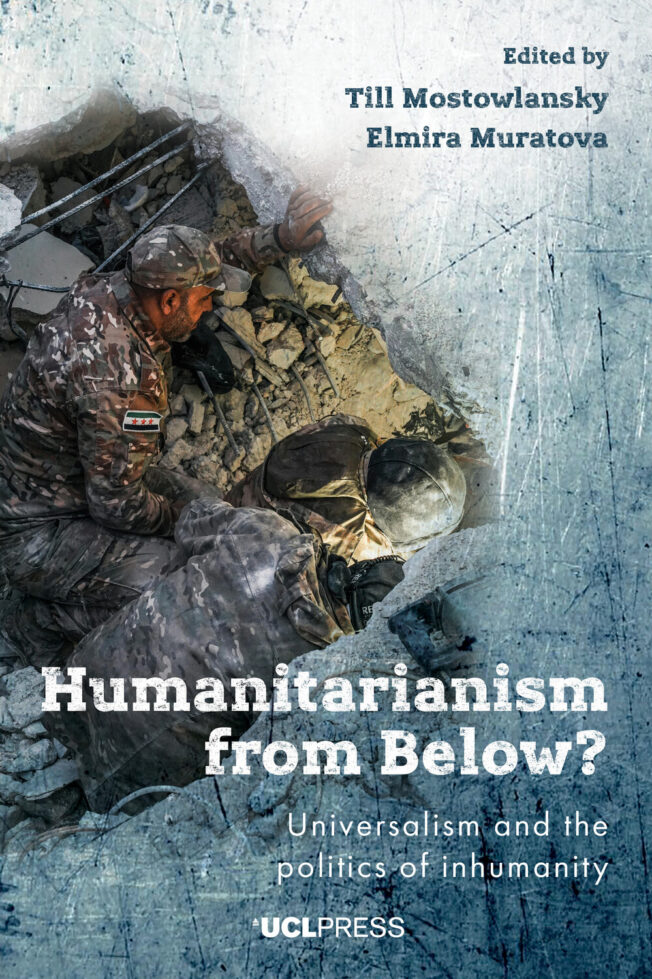
Till Mostowlansky and Elmira Muratova. Humanitarianism From Below: Universalism and the Politics of Inhumanity. London: UCL Press, 2026.
Since the late twentieth century, wealthy nations and international organisations have claimed a monopoly on humanitarianism. Even critical views of this regime of global aid and assistance have reinforced the image of a phenomenon shaped by secularised Christian ethics and Euro-American politics of life. At the same time, around the world various humanitarian institutions and practices have flourished that remain outside this realm.
Mostly invisible to Western publics, these forms of humanitarianism have reshaped global landscapes of aid in tangible ways; from protecting Indigenous communities in Canada to African diasporic initiatives in response to the Ebola pandemic; from Islamic economies of giving and Buddhist concepts of the human to crowdfunding aid in Ukraine. Written by leading scholars in the field, Humanitarianism from Below? forcefully illustrates that these humanitarian actors do not merely represent grassroots initiatives but have altered humanitarianism at large, involving alternative economies and politics.
Mithi Mukherjee. Asianism and the Fall of Empire: India’s Road to Freedom. Oakland: University of California Press, 2026.
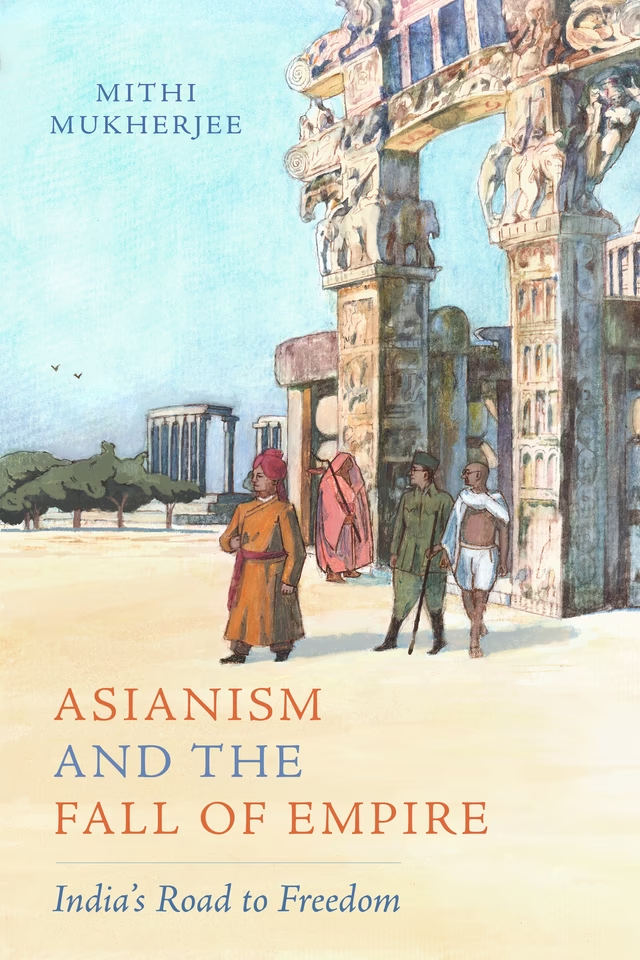
Offering a new global perspective on modern Indian history, Asianism and the Fall of Empire identifies the rise of Asianism in the early twentieth century as the origin and primary driving force of resistance movements that brought down the British Empire. Mithi Mukherjee ties together into a single sweeping narrative two contrasting, conflicting forms of anticolonialism: the emergence of nonviolent resistance movement under Mahatma Gandhi in South Africa and the militant movement culminating in the war on British India by the Indian National Army under Bose in alliance with the Japanese army. Asia emerges in this breakthrough retelling not as an inert geographical category, but instead as a singular agent of change in modern world history.
Nat Raja and Mijke Van der Drift. Trans Femme Futures: Abolitionist Ethics for Transfeminist Worlds. London: Pluto Press, 2024.
‘Femme’ describes a constellation of queer, gendered expressions that uproot expectations of what it means to be feminine. Building upon experiences of transformation, belonging and harm, this book is a transfeminist call for collective liberation.
Trans Femme Futures envisions the future through everyday actions that revolutionise our lives. Nat Raha and Mijke van der Drift discuss struggles around trans healthcare, the need for collectives over institutions, the importance of mutual care, and transfeminism as abolition.
The authors show how social change can be achieved through transformative practices that allow queer life to thrive in a time of climate, health, political and economic crises.
Bénédicte Savoy. Africa’s Struggle for Its Art: History of a Postcolonial Defeat. Princeton: Princeton University Press, 2026.
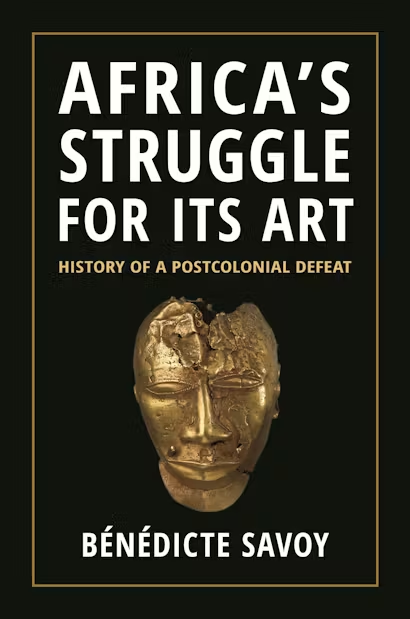
For decades, African nations have fought for the return of countless works of art stolen during the colonial era and placed in Western museums. In Africa’s Struggle for Its Art, Bénédicte Savoy brings to light this largely unknown but deeply important history. One of the world’s foremost experts on restitution and cultural heritage, Savoy investigates extensive, previously unpublished sources to reveal that the roots of the struggle extend much further back than prominent recent debates indicate, and that these efforts were covered up by myriad opponents.
Making the case for why restitution is essential to any future relationship between African countries and the West, Africa’s Struggle for Its Art will shape conversations around these crucial issues for years to come.
Diana Stuart. Rejecting Climate Doomism. Ann Arbor: University of Michigan Press, 2026.
As scientists call for widespread climate action, there has been an alarming rise in climate doomism, the belief that it is too late to do anything about climate change. Many people who struggle to imagine the solutions and social order that would be needed to support more sustainable outcomes instead look away and do nothing, immobilized by defeatist thinking.
Drawing from climate science, sociology, psychology, and philosophy, Rejecting Climate Doomism outlines the reasons to instead choose action grounded in active hope. It examines how global warming could be effectively limited through specific policy proposals. Despite the many obstacles to achieving some of the policies discussed in this book, they are still possible and worth pursuing. By outlining a positive vision of the far-reaching changes that can be used to minimize warming, the book encourages readers to advocate for the social and economic changes necessary to forge the best path for people and the planet.
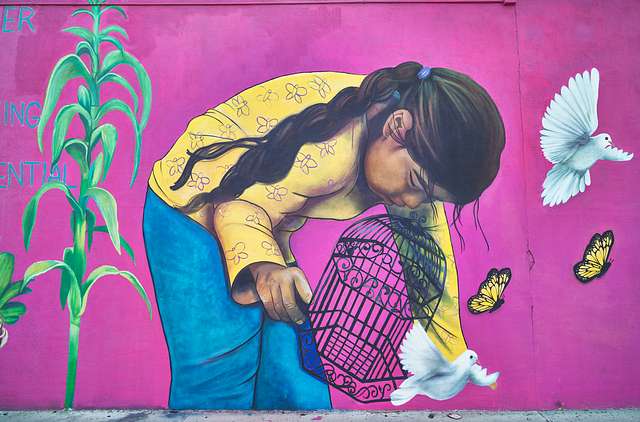
Featured Image: “Dreamers” by Linda Honojos. Source: Carol M. Highsmith Archive, Library of Congress, Prints and Photographs Division.