

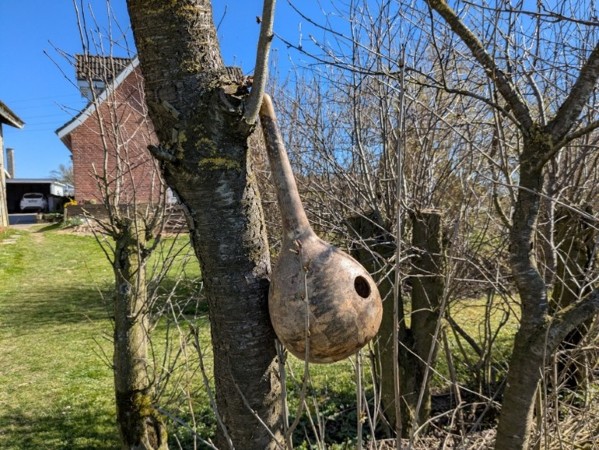
Resonating with a Gourd
During a multispecies ethnographic fieldwork in a Danish private garden, I encountered a weird-looking gourd (Calabash) that was turned into a birdhouse.
During a multispecies ethnographic fieldwork in a Danish private garden, I encountered a weird-looking gourd (Calabash) that was turned into a birdhouse.
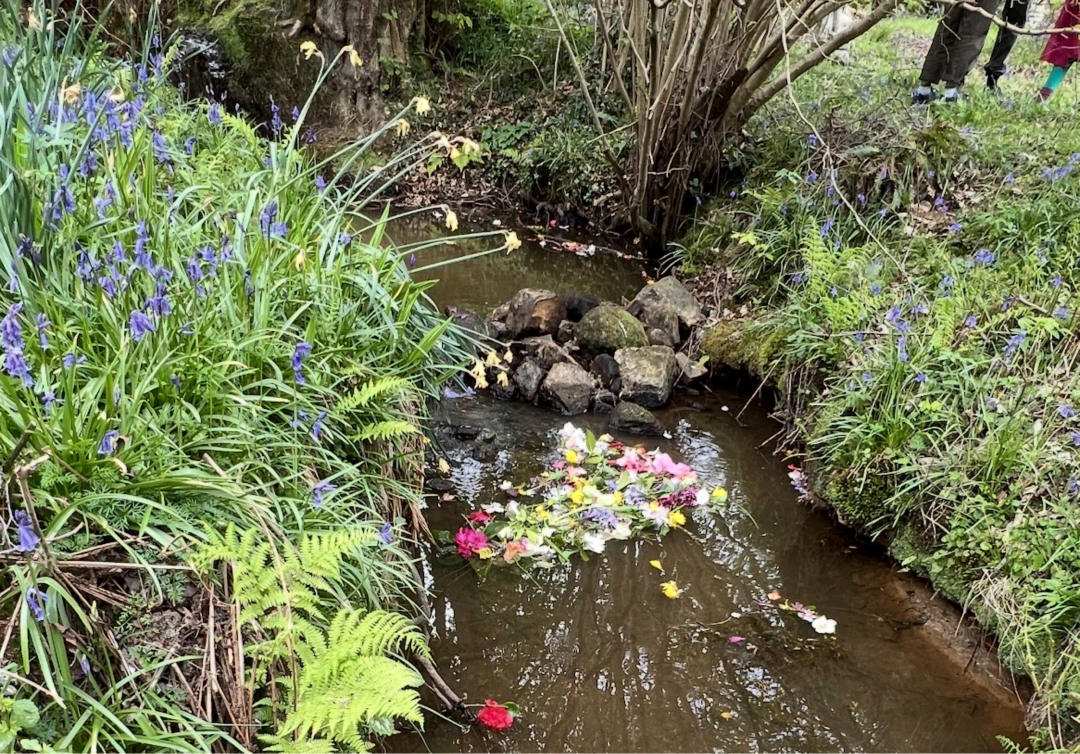
This experimental essay treats uncertainty as bodily and relational and uses rhythm as a way of noticing it. It begins in the writing vibrations of the Poetic Resonance Protocol and carries their structure through the composition of the piece.
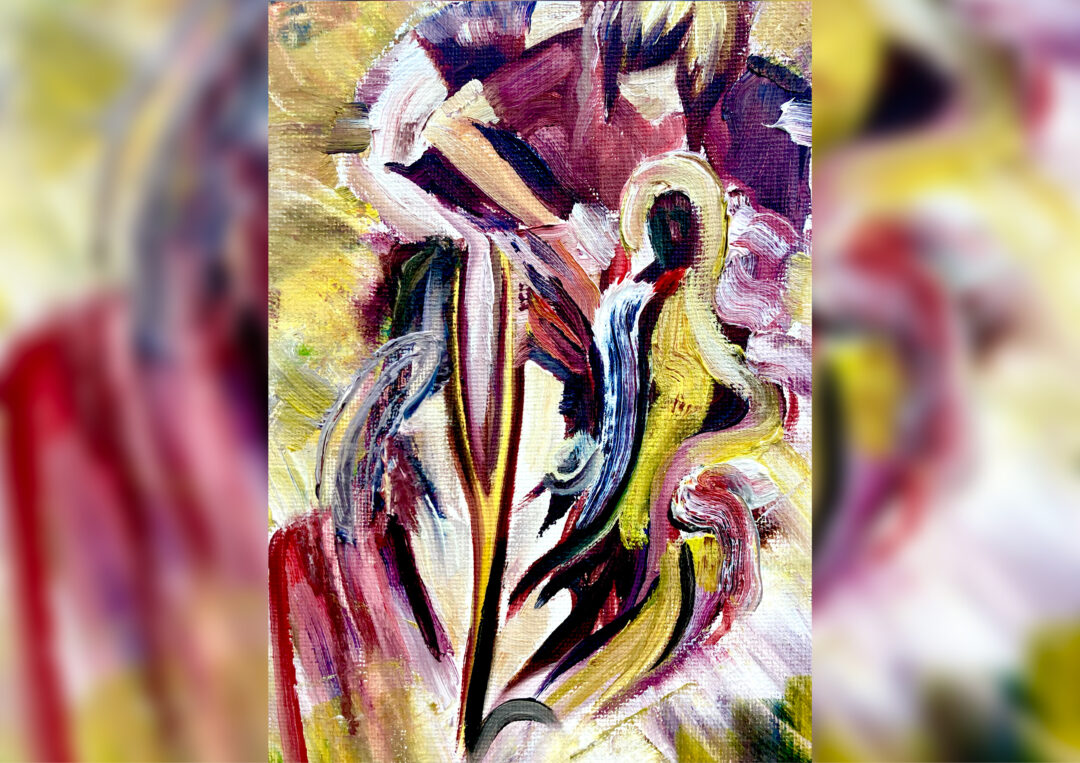
This afterword reflects on the practice of ethnography through the metaphor of the anthropologist as a tuning fork—an embodied instrument attuned to the subtle or violent vibrations of lived experience whilst working through ethnographic materials.
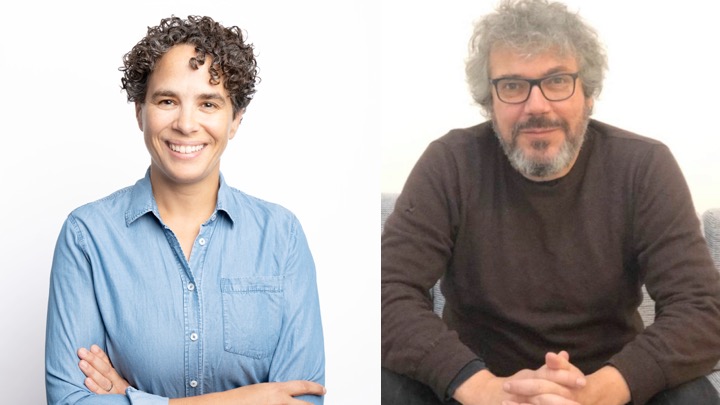
What is critique, and what might it still accomplish? This question serves as the point of departure for a series of
What is critique, and what might it still accomplish? This question serves as the point of departure for a series of
What is critique, and what might it still accomplish? This question serves as the point of departure for a series of

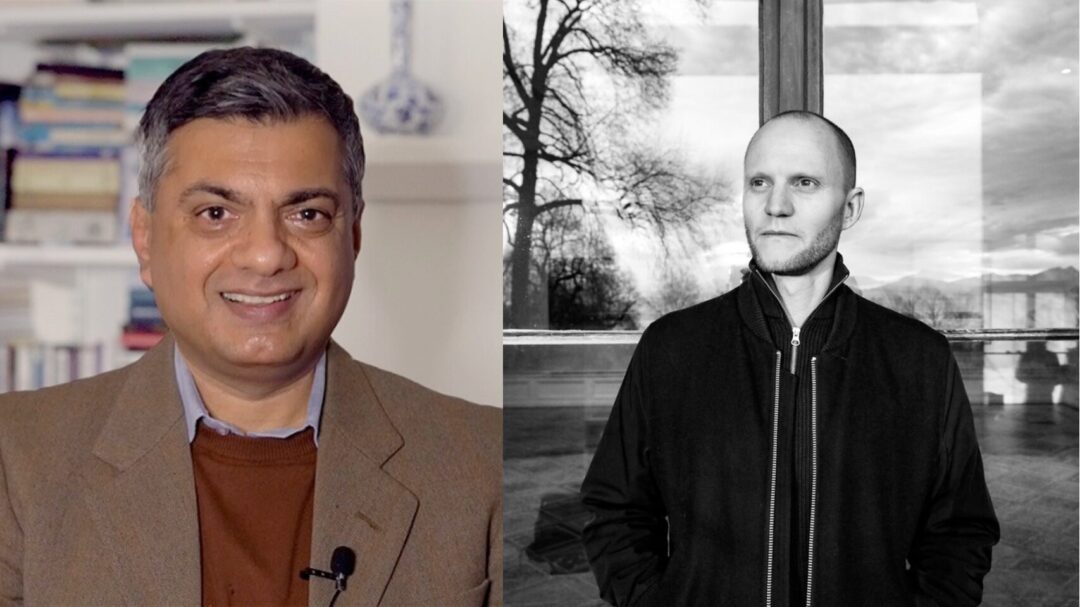
What is critique, and what might it still accomplish? This question serves as the point of departure for a series of
In this episode of Displacing Universities Ian speaks with Elisabeth Boston. Elisabeth is the Refugee policy officer at UCLouvain in Belgium. They speak about Access2University (A2U), a programme that aims to prepare refugees (applicants) with little or no knowledge of French to resume university studies, and Education Pathways, which is an initiative to bring displaced people to Belgium to study.

Backway to Europe is a podcast series produced in collaboration with Gambian advocates and activists. It centers their analyses of

The second episode explores the material and symbolic motivations for Gambian youth choosing the backway to Europe, contrasting the modern,