

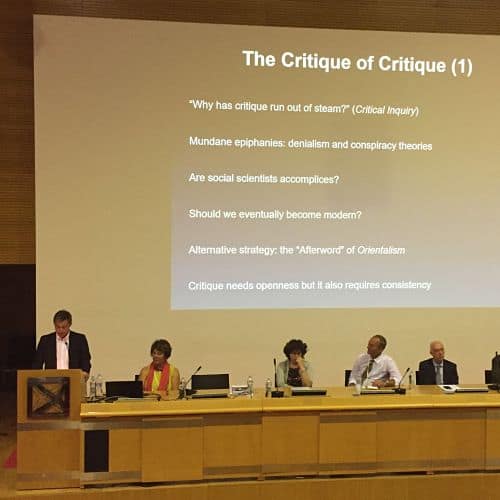
Where are the ladies, Didier Fassin? #EASA2016 Keynote
It’s hot and humid, and yet circa 1000 anthropologists are determined to enter the main conference room of U6 of
It’s hot and humid, and yet circa 1000 anthropologists are determined to enter the main conference room of U6 of

Introduction (by Sarah Green) Brexit means trouble, that is for certain; what is less certain is what kind of trouble.
“You have already been incredibly faithful towards the man. And you have been following all the relevant rules for establishing
When we raise questions about the assumed figures of the ‘smuggler’ and ‘trafficker’, we must also in parallel raise questions

Today we re-visit a post on the deportation conundrum by Barak Kalir. The post was first published in the spring
Anthropologists have been studying the various phenomena associated with states and ‘state-like’ structures for a long time (cf. Fortes 1940,
You just have to walk down the street in any immigrant neighborhood—Washington Heights in New York City, Kreuzberg in Berlin,
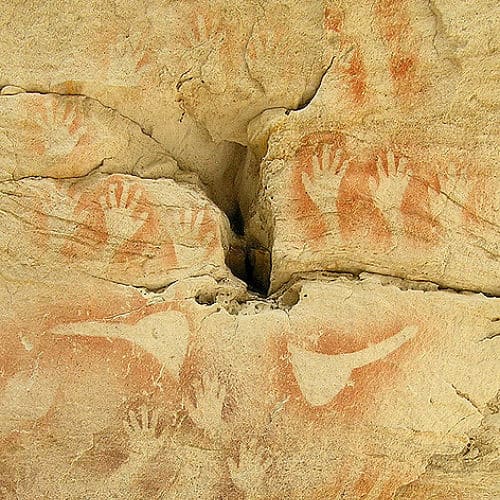
In the online forum Native Appropriations, Dr. Adrienne Keene writes “When you’re invisible in society . . . every representation matters”
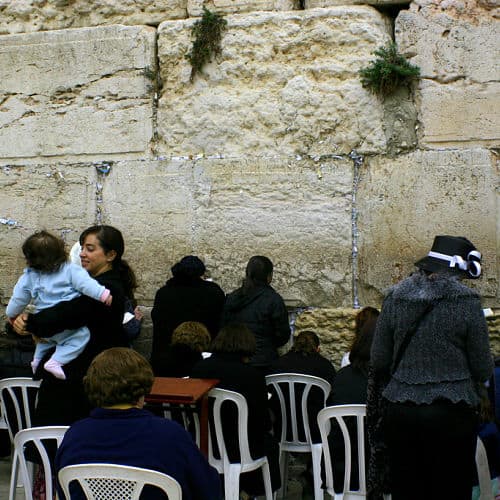
How can we conceive of the contemporary relationship between race, poverty, and bureaucracy? Smadar Lavie’s latest publication, an account of
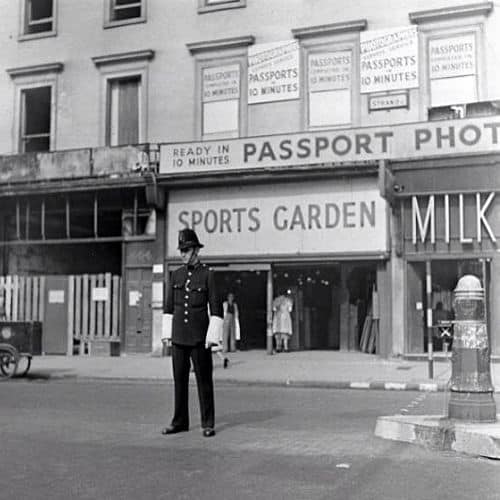
Zachary Oberfield’s work Becoming Bureaucrats (2014) provides the academic community with a glimpse into the making of police officers and