

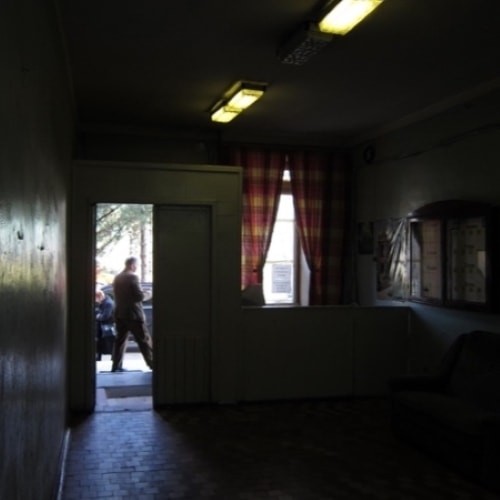
“We don’t have to whisper”: Fieldnotes from Odesa
I met Engineer Yakiv[1] on board a merchant ship I had joined just south of Sri Lanka in early 2013.
I met Engineer Yakiv[1] on board a merchant ship I had joined just south of Sri Lanka in early 2013.
What do you know: the summer is already gone! It feels that only moments ago we solicited contributions to our

This week, we’re sharing some of our recently-acquired fieldnotes with you, dear reader, in addition to two installments from our
What does it feel like to do fieldwork? How does one encounter experiences of suffering, trauma – even death – while maintaining

Aah – it’s almost that time of the year again! Namely the time when many anthropologists sheds their boring ‘everyday’
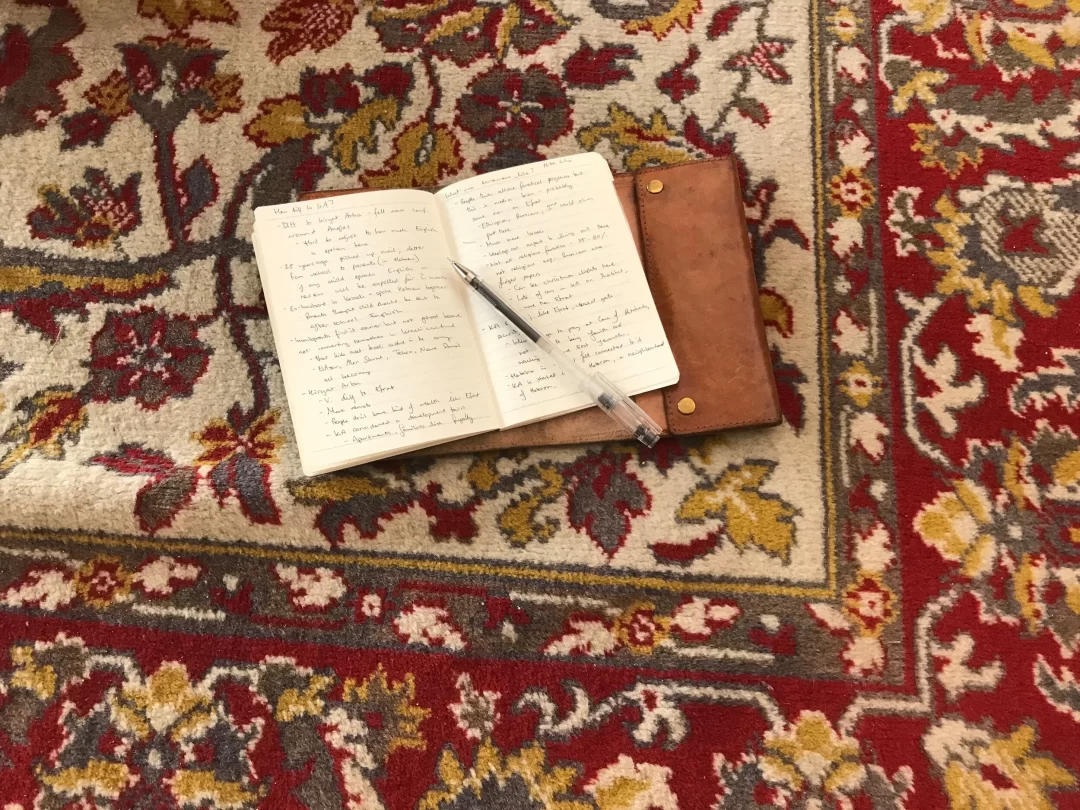
Writing from experiences of harassment, surveillance, and sexualised misrecognition during fieldwork in a highly militarised context, Anya Evans foregrounds the ethnographer’s body as a central site of knowledge production and vulnerability.

Drawing on her Master’s fieldwork in Leipzig, Salma Moustafa Khalil reflects on how orientalism, gender, and racialised assumptions shape ethnographic encounters when a Middle Eastern woman conducts research in Europe.

Hareem Khan examines the fragility and fluidity of friendships formed during ethnographic fieldwork, focusing on trust, distrust, and rupture as constitutive elements of research relationships.
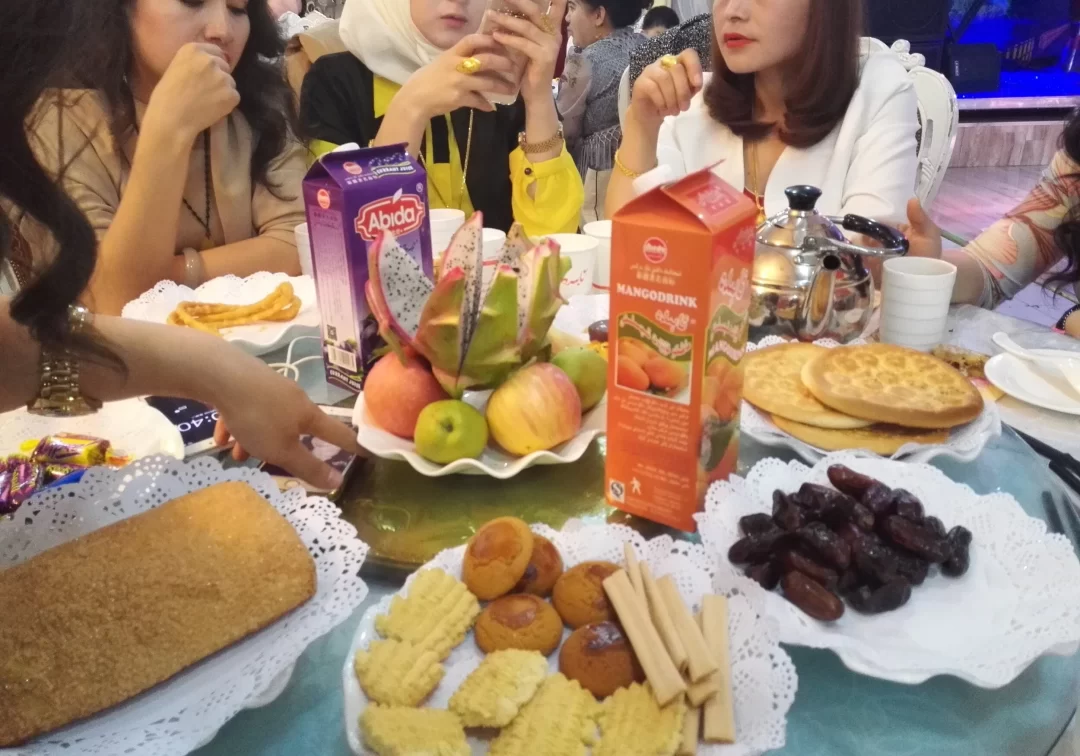
In this article, Lisa Ernst examines the overlooked psychological toll of “friendship as method” within ethnography, specifically during high-risk fieldwork in Xinjiang, China.

This thematic thread presents experiments, exercises, and reflections stemming from a two-day collaborative, practice-led workshop with ‘poetic resonance’.